Project brief
Artwork And Project Brief Checklist
A pattern maker can only build what the file describes. This checklist lists the views, dimensions, colour and market information that turn a picture into a workable brief, and what to do about the parts you cannot answer yet.
Prepare The Information You Already Have
This page is a preparation tool, not a form and not a quotation. It tells you what to assemble before a brief is sent.
Most delays in custom plush development come from missing views, unstated dimensions and colour references that only exist on a screen. The time spent assembling the items below is usually shorter than the extra round of questions it prevents.
Nothing here requires finished artwork. A rough sketch with the right annotations is more useful than a polished image with no side view or scale. Where a detail is genuinely undecided, marking it as open is better than filling it with a guess, because a guessed value becomes a manufacturing instruction.
Never send a third party’s design file unless you hold the rights to it. Public images, competitor products and screenshots are not a design source.
Artwork And Product Information
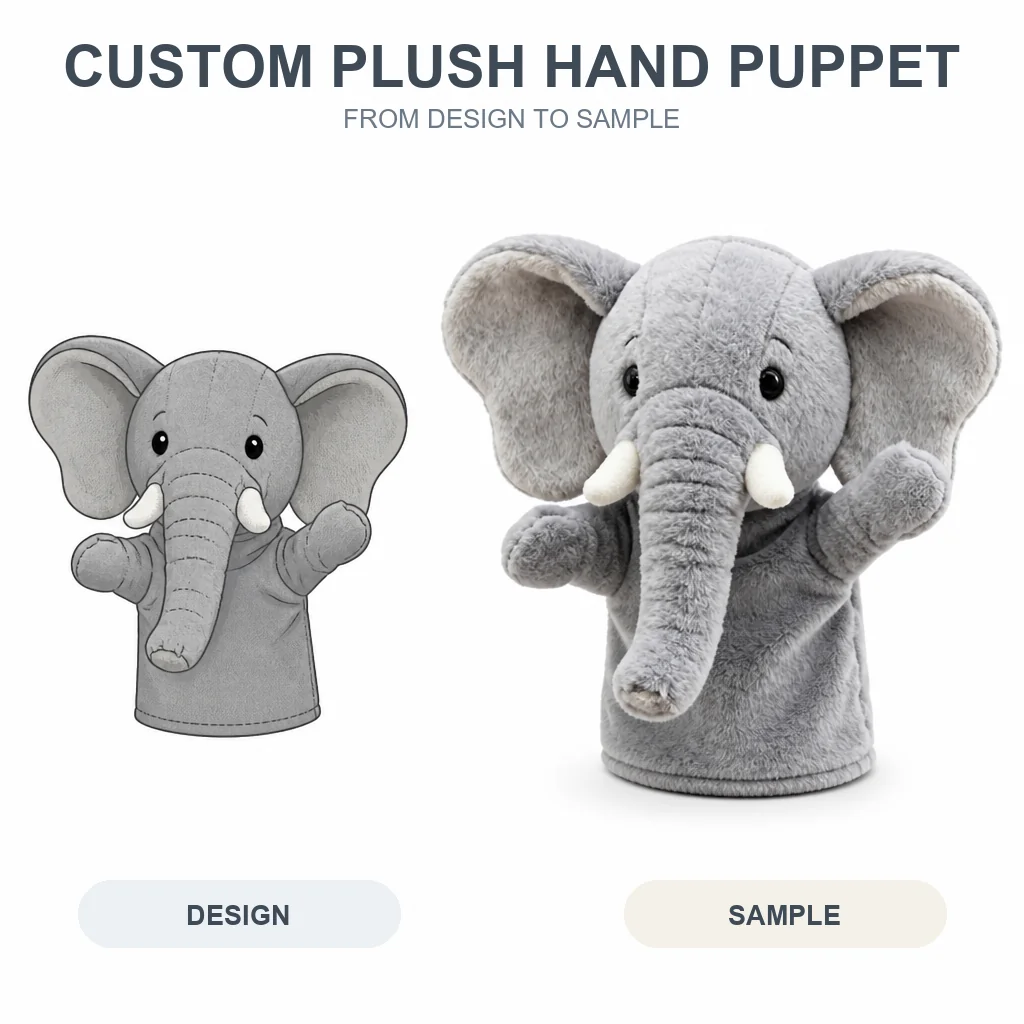
The file side of the brief. Six items decide whether patterning can start.
- Three viewsFront, side and back. Add top or bottom where the shape depends on it, and close-ups of the face, paws, ears and tail. A single front view can be assessed but will add a clarification round.
- Key dimensionsFinished height, width and depth, head-to-body proportion, and the size of any accessory that must stay in scale. State whether the piece sits, stands or hangs.
- Colour referencesPantone numbers or a physical colour standard per area, including the inside of ears, paws and any print background. Screen colour is a guide only.
- Structure notesHow the head is built, where seams may sit, how limbs and accessories attach, and whether the piece must hold a pose without internal support.
- Reference imagesPhotographs of a similar physical product are useful for hand feel and construction, as long as they are labelled as references rather than as the design to copy.
- Rights statementConfirmation that you own or license the character, logo and artwork, and any brand guideline the sample must follow.
File format matters less than content: a clear PDF, layered image or scanned sketch with annotations is enough. Keep the original editable file for later revisions.
Project Requirements
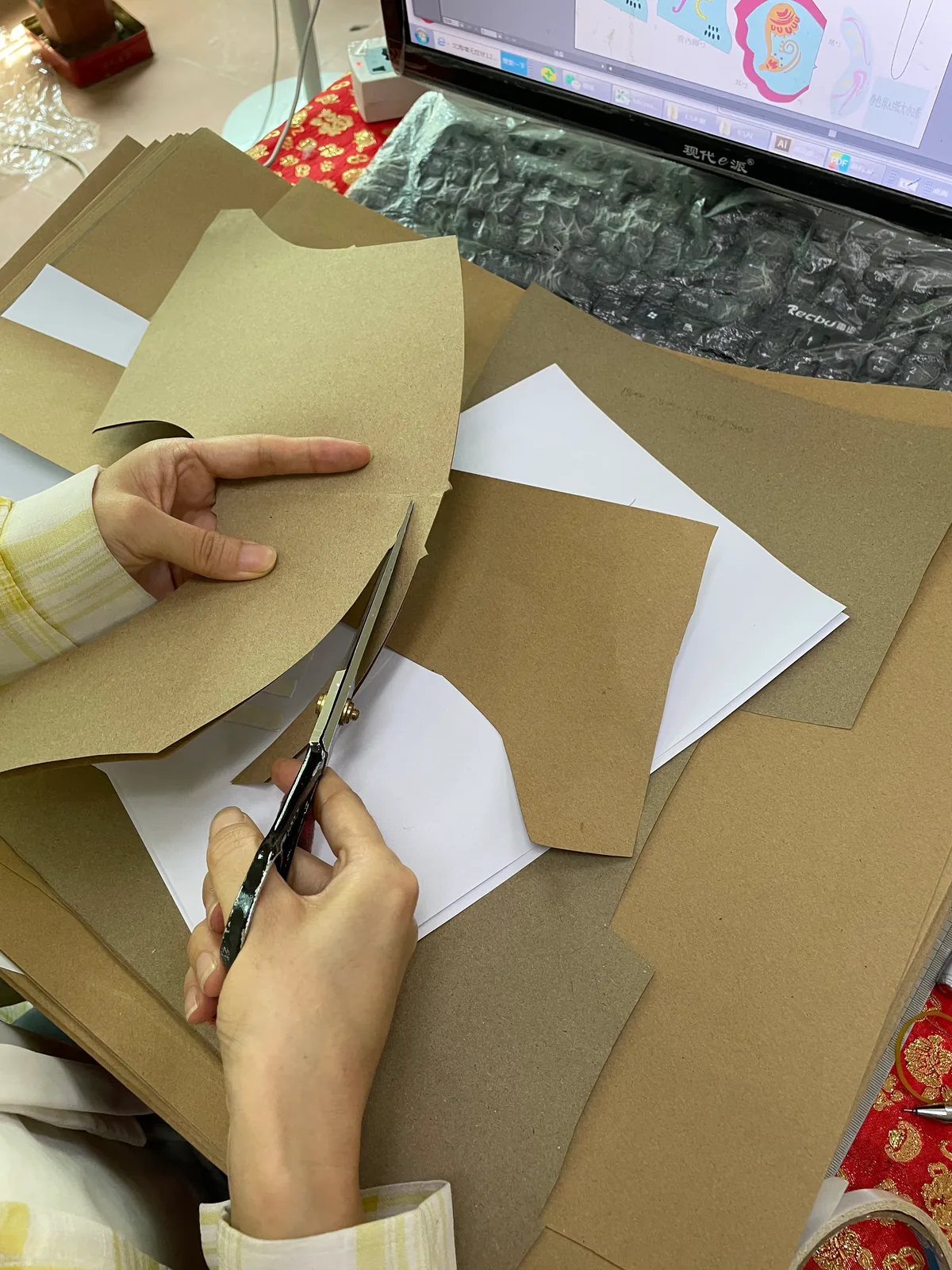
The commercial side of the brief. These items decide cost, testing and schedule, not just the artwork.
- Quantity and style splitTotal quantity, number of styles and colours, and whether they ship together. Separate patterns and fabric colour minimums affect the quotation, material purchasing and timing; the product minimum stays at 1 piece.
- Market and intended useCountry of sale, sales channel and whether the item is a toy, a collectible, a promotional gift or a pet product. This decides the standards that apply.
- Age groupThe age band the product is designed and labelled for. Products intended for children under three carry additional structural and material requirements.
- Packaging expectationsBag, box, hangtag, barcode and carton marking. State whether retail-ready packing is needed, because it changes both cost and packing time.
- TimingThe date you need goods in hand, plus any fixed event or retail window. Sampling and production are scheduled backwards from that date, not forwards from the order.
- Testing needsAny standard your buyer or retailer requires, and who is expected to hold the report. This is confirmed before sampling, not after production.
If Some Details Are Not Ready
An incomplete brief can still be assessed. It cannot produce a final quotation.
Send what exists and mark the rest as open. Feasibility, structural questions and the likely cost drivers can be discussed from a drawing and a rough size, which is often enough to decide whether the project is worth developing.
A final price needs the specification to be settled, because quantity, size, structure, fabric, decoration and packing all move the unit cost. If a value is still open, the quotation will either exclude it or carry an assumption that is written down for you to confirm.
The same applies to timing: a schedule built on assumed quantities or an unconfirmed packing format is an estimate. Confirming the open items is what converts it into a commitment.
Review Before Sending
A last pass over the file itself prevents most avoidable back-and-forth.
- File naming and versionName files with the project, product and version, and keep the newest version obvious. Old versions create patterning mistakes.
- Approval statusSay whether the file is a concept for discussion or an approved design. The two are handled differently.
- Sensitive informationRemove internal costs, supplier names and anything unrelated to the product. Send only what the development needs.
- One contactName a single person who can approve changes. Multiple approvers with different comments is the most common cause of a stalled sample.
Discuss Your Project
Once the views, dimensions and market are in one place, the brief can be assessed without a clarification round.