Five stages take a design or a physical sample to inspected, packed goods: requirement review, pattern and sample, pre-production freeze, production with checks, then packing and delivery.
This is the overview of how an Orui Toys project is organised. It explains who does what and which decisions unlock the next stage.
The page describes the sequence for a custom development: a new character, mascot, animal, doll, keychain, bag or cushion made to a buyer’s specification. It is not a guide to buying stock items and it is not a sewing tutorial.
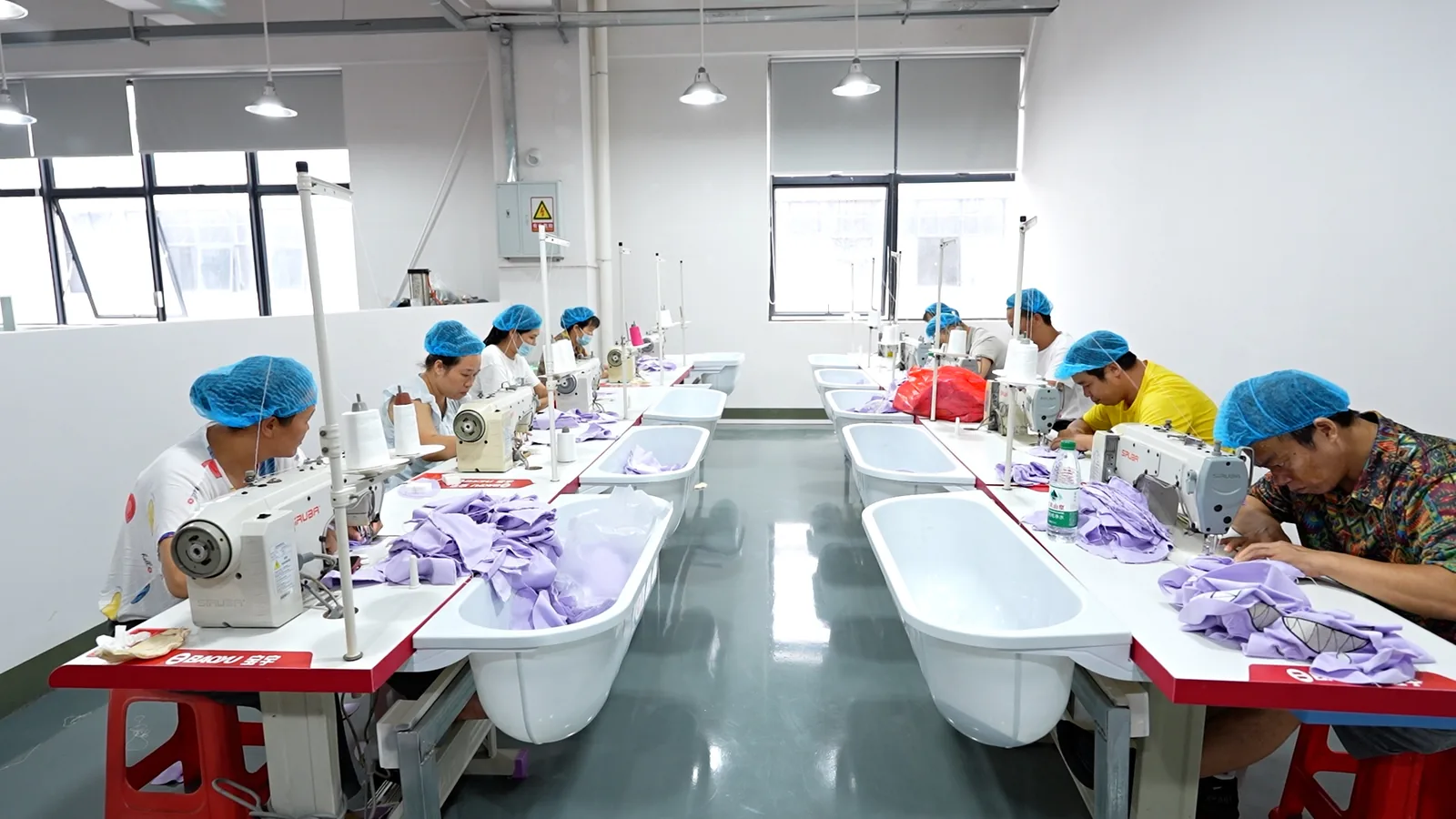
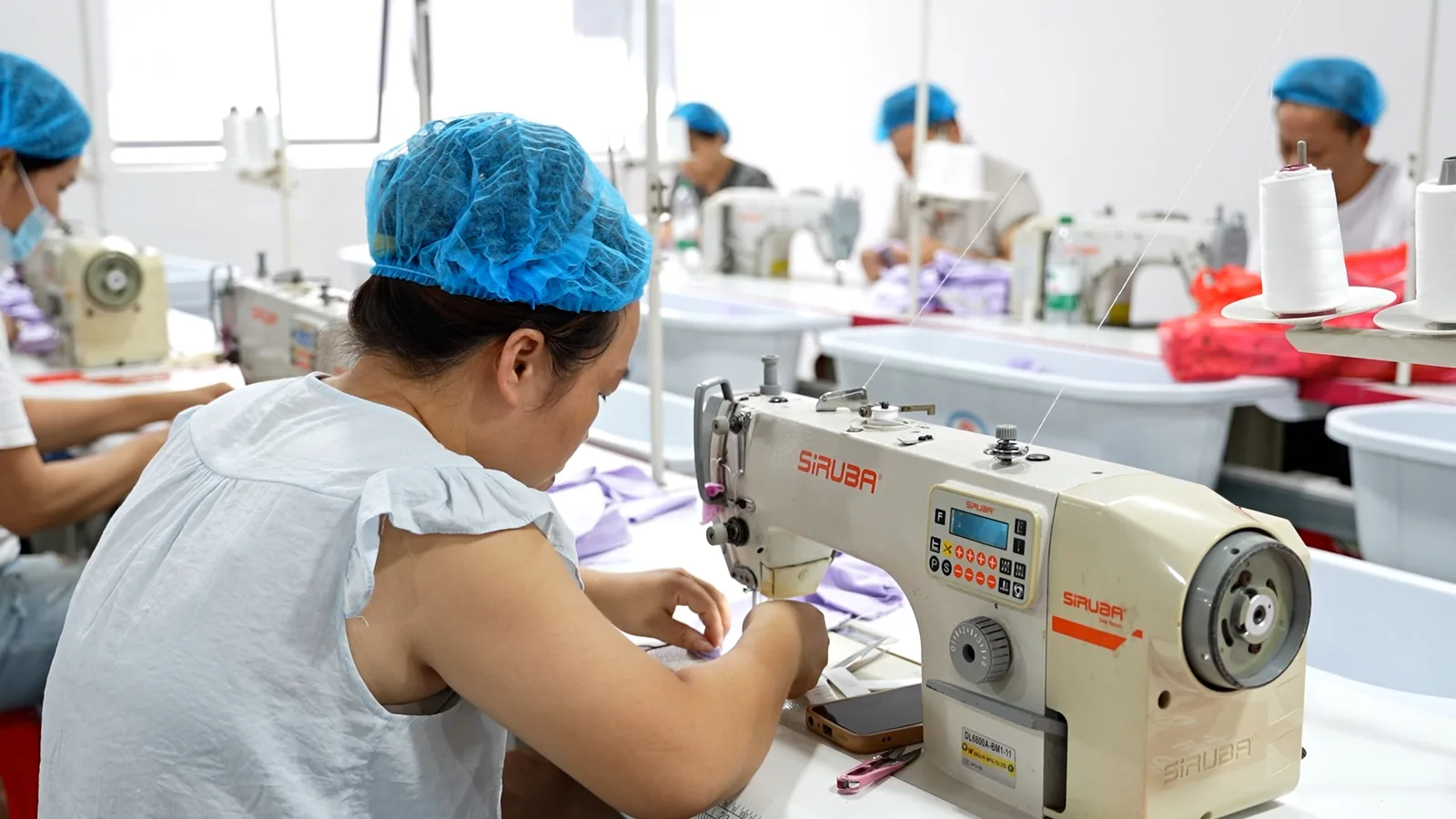
Two facts shape every project. First, pattern making, sampling coordination, purchasing, production organisation, quality control and delivery management are handled by the Orui Toys team. Second, embroidery, printing and part of the sewing are performed by controlled partner workshops, so this page does not describe every machine on it as company-owned.
Each stage below names its input, its output and the decision that ends it. Detailed treatment of sampling, materials and delivery sits on their own pages rather than being repeated here.
Timing and cost are quoted per project. No fixed sampling or production period is published on this page because no verified standard basis exists for every product type.
The Five Stages
Each stage produces something the next stage depends on. Skipping one is what usually causes rework later.
Every order is made to order: custom projects start from 1 piece, there is no ready stock, and a single piece also goes through sampling or production. Costs and lead times are confirmed per project.
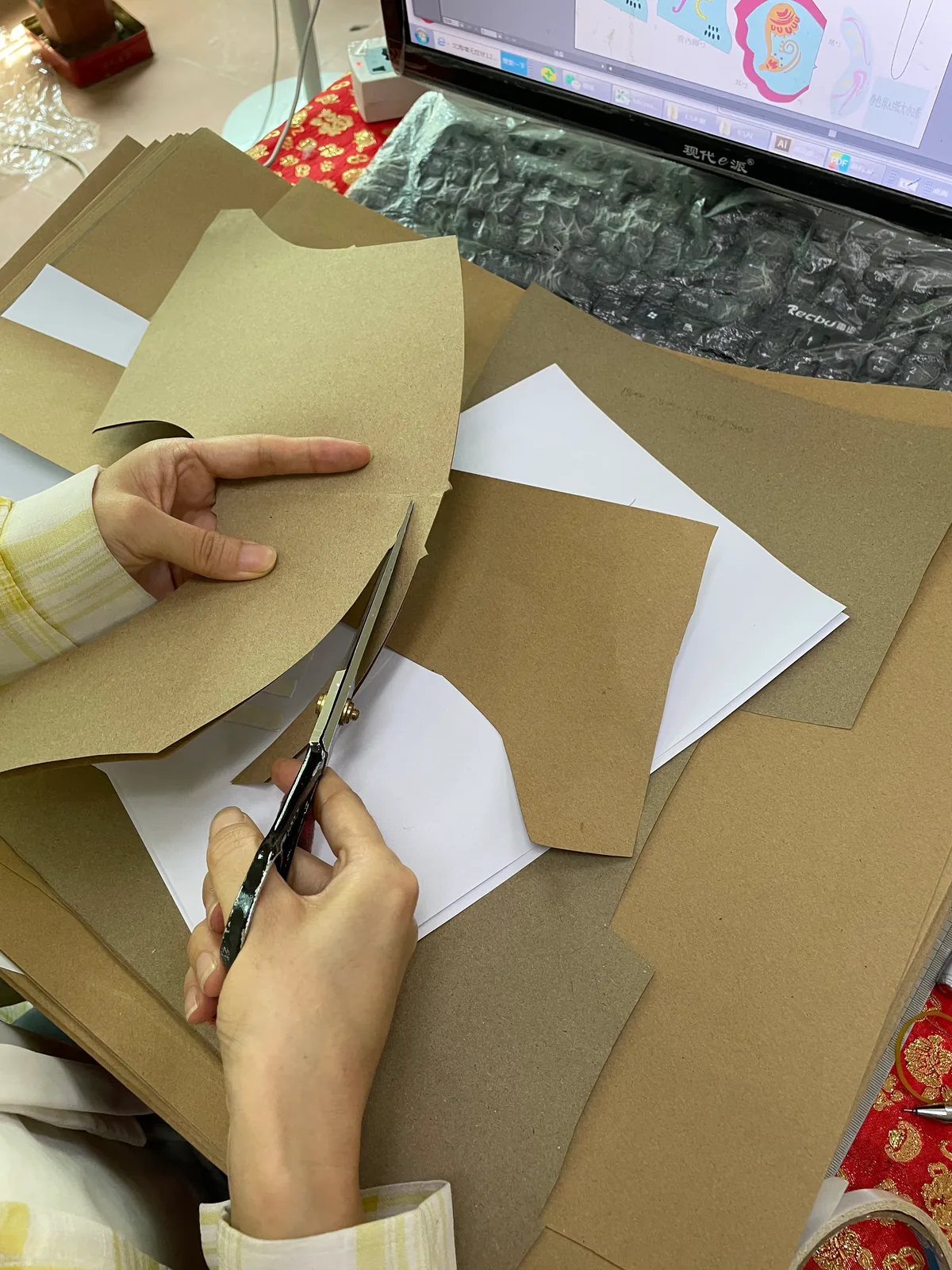
Paper pattern pieces prepared for a plush sample.
Requirement Review
Input: design or reference, intended size, quantity, market, age group and target date. Output: a feasibility view, the open questions and the cost drivers that apply. This stage ends when both sides agree on what is being developed.
Pattern And First Sample
Input: confirmed views and dimensions, material and colour intent. Output: a pattern, a first sample and a written list of differences from the drawing. This stage ends when the sample is approved or the revision list is agreed.
Pre-Production Freeze
Input: approved sample plus packing, labelling and testing decisions. Output: a frozen specification, bill of materials, packing instruction and production schedule. This stage ends when materials are committed and the deposit is received.
Production And Inspection
Input: frozen specification and approved sample. Output: goods checked against that sample at first-off, in process and at final inspection. This stage ends when the inspection result is accepted.
Packing And Delivery
Input: packing instruction, carton marks and shipping terms. Output: packed cartons, shipping documents and dispatch. This stage ends when the goods leave and the documents are handed over.
Who Confirms What
Projects stall when a decision has no owner. These are the decision points that must be closed in writing.
Decision Points Across A Custom Plush Project
Decision Point
What To Confirm
Why It Matters
Design And Dimensions
Buyer supplies the views, key dimensions and colour standard; Orui raises the structural questions the drawing cannot answer.
Pattern making and costing both depend on these; a missing side or back view is the most common cause of a second sample.
Operation Ownership
Pattern, sampling, purchasing, production organisation and quality control are coordinated in house; embroidery, printing and part of sewing come from controlled partners.
Which operations sit in our workshop and which sit with a named partner is confirmed per project, in writing, before sampling.
Sample Approval
Buyer approves a specific sample version; the approved piece and its record become the production reference.
Without a named version, inspection has nothing objective to compare finished goods against.
Market And Testing
Buyer confirms country of sale, age group and intended use; Orui coordinates the applicable tests with a third-party laboratory.
The standard and the report scope follow the product and market, not the factory name.
Schedule Start
Production timing starts once the sample is approved, the specification is frozen, materials are confirmed and the deposit is received.
A date agreed before these conditions is an estimate, not a commitment.
Explore A Stage In More Detail
Three pages go deeper. Each answers a different question, so pick the one that matches your current decision.
From Drawing To Sample
For buyers with a drawing, reference photo or physical sample who need to know what makes a design workable and how revision rounds are handled.
For buyers choosing fabric, filling, face decoration and packing, and who need to know which choices change feel, durability and cost.
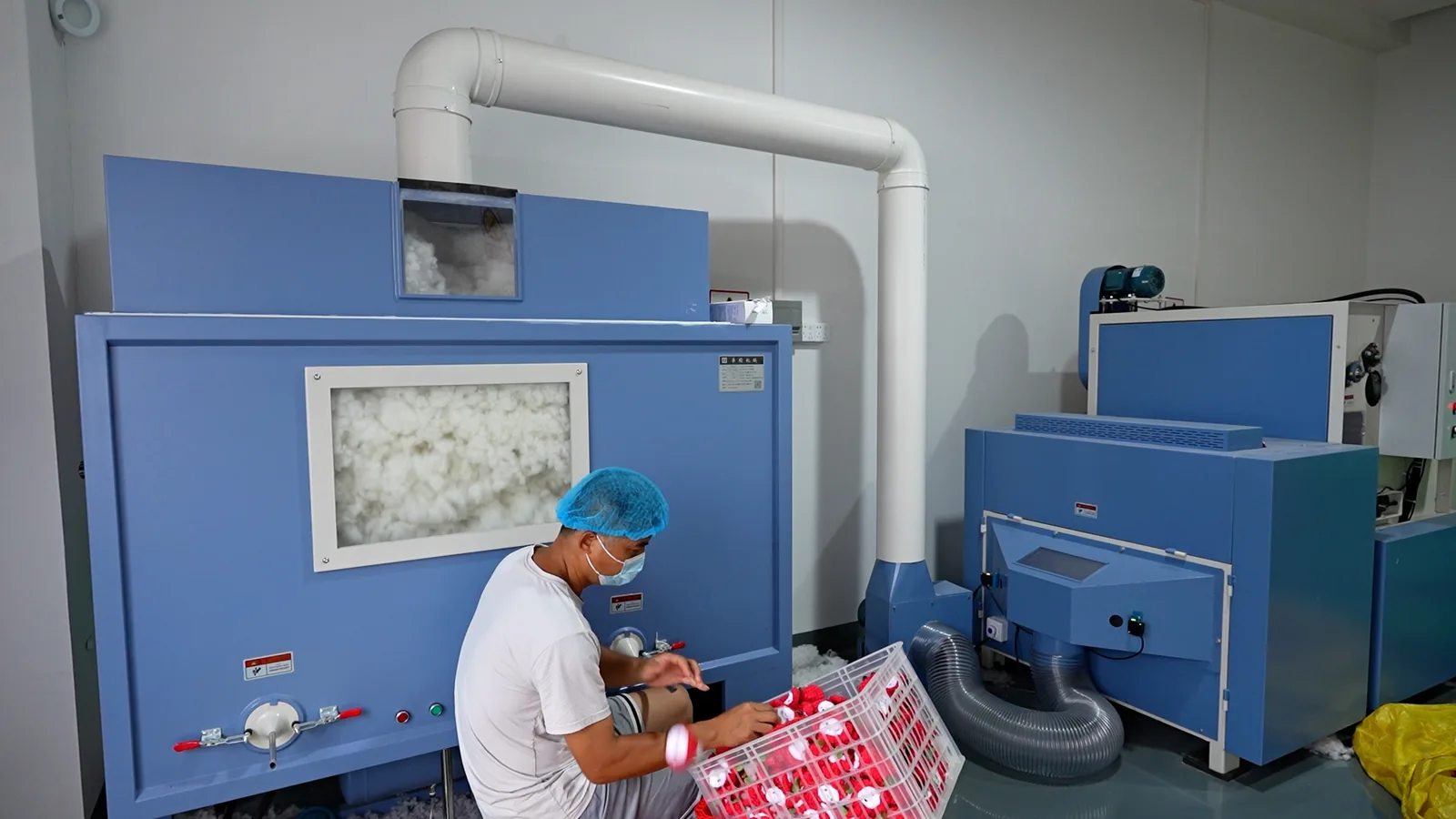
Filling the sample; material and filling choices are made here.Open the options page
Production And Delivery
For buyers preparing to place an order: what has to be frozen, which checks happen, how packing is specified and what documents travel with the goods.
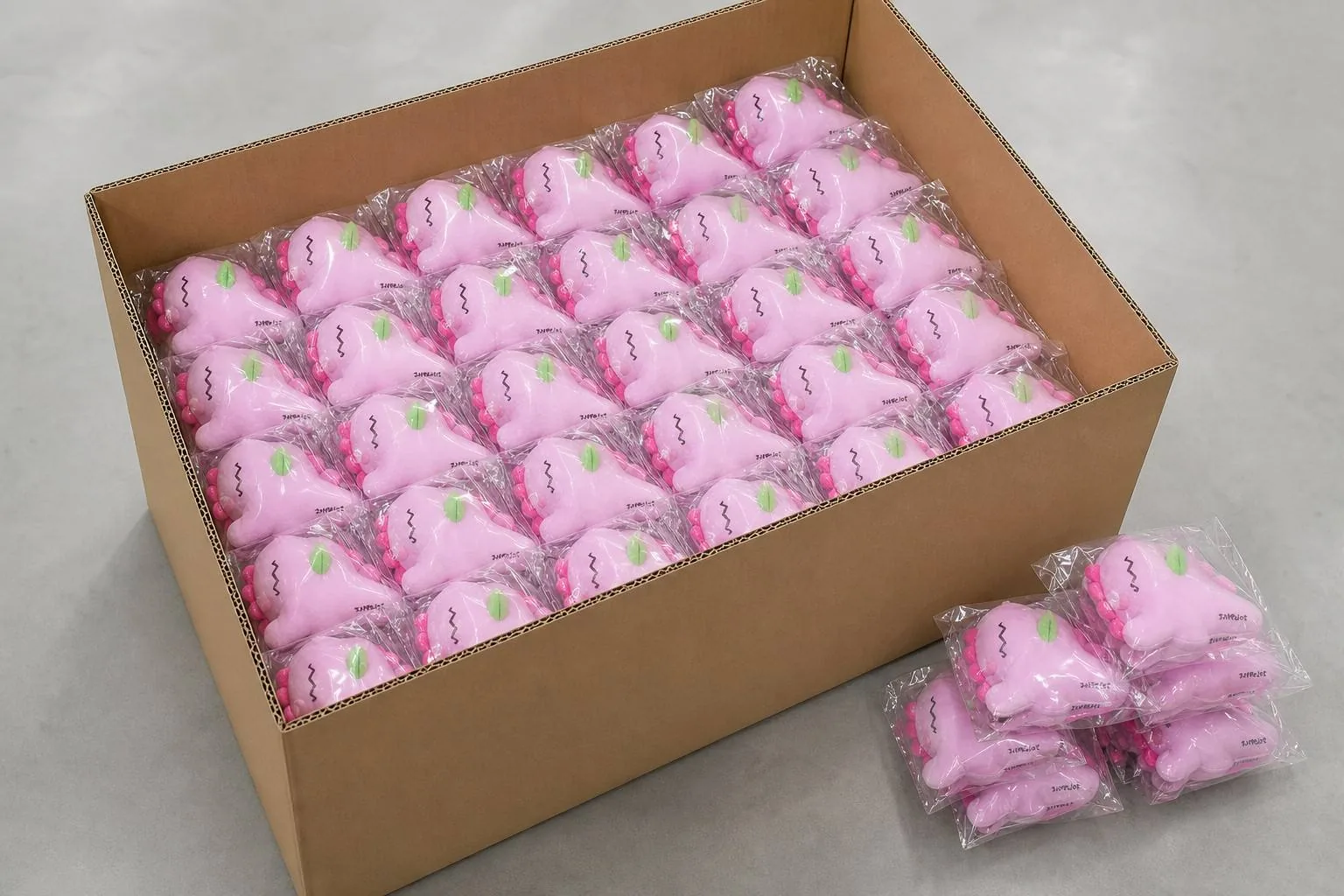
Packing example: bags and cartons are specified before production.Open the delivery page
When A Requirement Changes
Changes are normal, but the stage at which they arrive decides the cost.
A change to size, structure, material or decoration before the pattern is cut costs a conversation. The same change after a sample is approved usually means a new pattern, a new sample and a re-check, because the production reference has moved.
Changes after materials are purchased or production has started can affect the schedule, the price and, in some cases, whether the order can be completed as specified. Where a material, colour or component substitution is proposed, it is raised with the reason and the effect first, then confirmed in writing before use.
Every approved change is recorded against the project reference with its date. Production and inspection work from the latest approved version, not from a message thread.
Questions Before You Begin
The four questions that most often decide whether a project can start.
Can You Develop A Plush From My Drawing?
Yes. A drawing, concept art, three-view, reference photo, physical sample or existing pattern can all be assessed. Front, side and back views plus key dimensions remove most follow-up questions; a single front view can be evaluated but will need clarification before patterning.
How Long Does Sampling Take?
Sampling time is quoted per project and starts when the design information, dimensions, colours and functional requirements are confirmed. Complex structures, custom fabric or parts, and electronic features need their own assessment, so no single period is published here.
Who Actually Makes The Product?
Orui Toys coordinates pattern making, sampling, purchasing, production, quality control and delivery. Embroidery, printing and part of the sewing are carried out by controlled partner workshops. The site describes that split rather than presenting all operations as company-owned.
What Do You Need Before Quoting?
Design material, intended size, quantity and style split, country of sale and age group, material and decoration intent, packing requirements, target date, testing needs and a statement that you hold the rights to the artwork.
Discuss Your Project
If you can describe the product and the market, the team can tell you which stage you are ready for and what is still missing.