
Customization
Materials And Customization Options
Materials, decoration and packing are chosen together, because a surface that takes embroidery well may not take a soft handfeel, and a packing choice can decide whether an item survives shipping.
What Can Actually Be Chosen
This page describes the decisions, not a stock list. Nothing here is held in inventory.
Custom plush is made from sourced material against a project specification. Options are confirmed when a project is quoted, because availability, minimum and colour all depend on the design and the quantity.
The page groups the choices into three decisions: what the surface and filling are, how the artwork is applied, and how the finished item is packed.
It does not list fabric codes, weights or prices. Those are confirmed per project, and publishing a catalogue that cannot be held in stock would mislead.
Surface And Filling Decisions
Each choice trades appearance against handfeel, durability and cost.
| Decision Point | What To Confirm | Why It Matters |
|---|---|---|
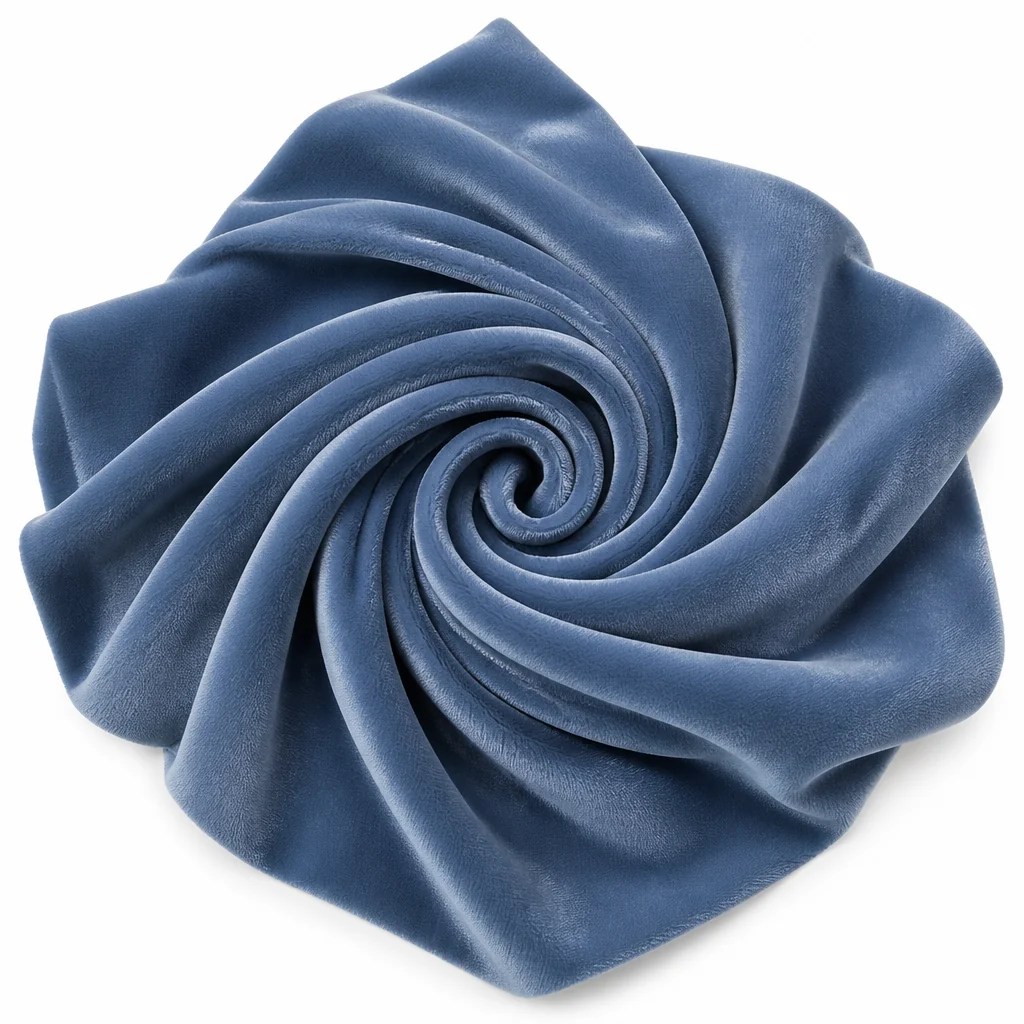
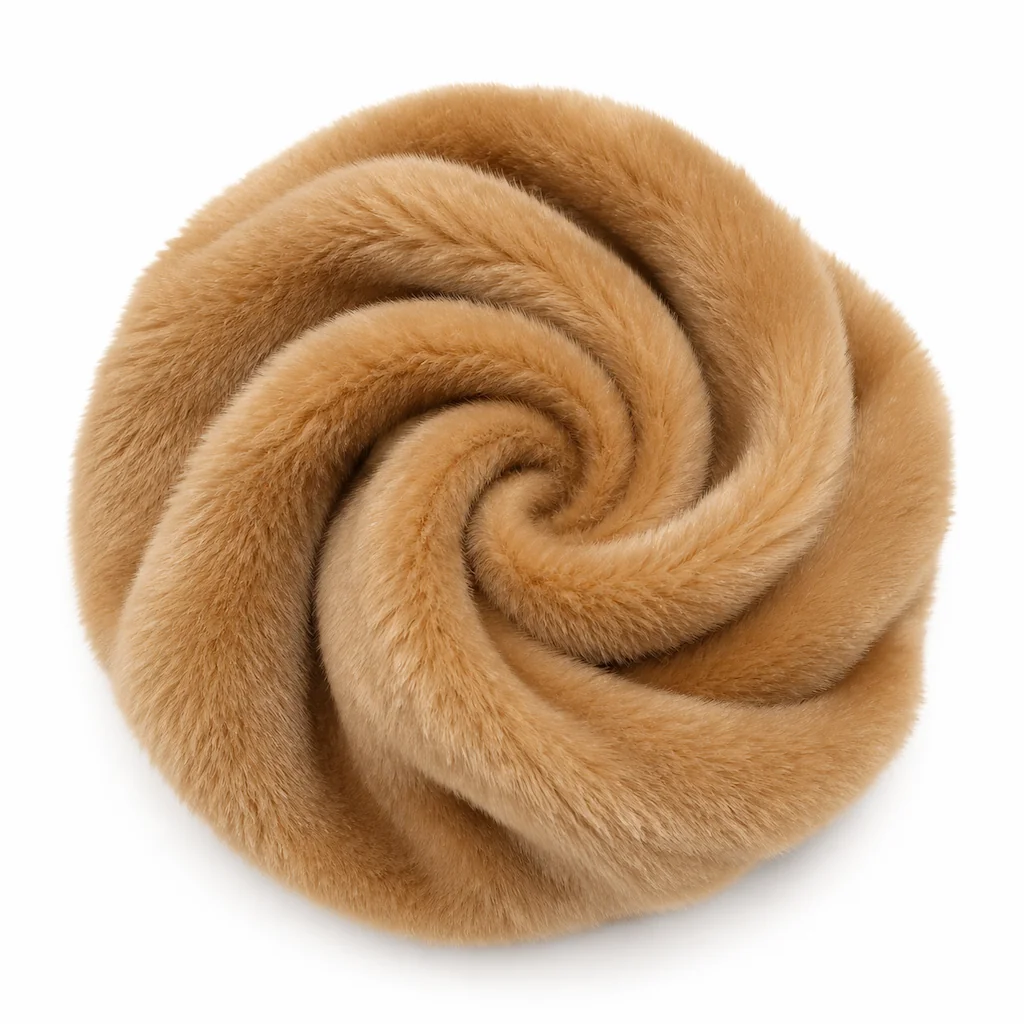
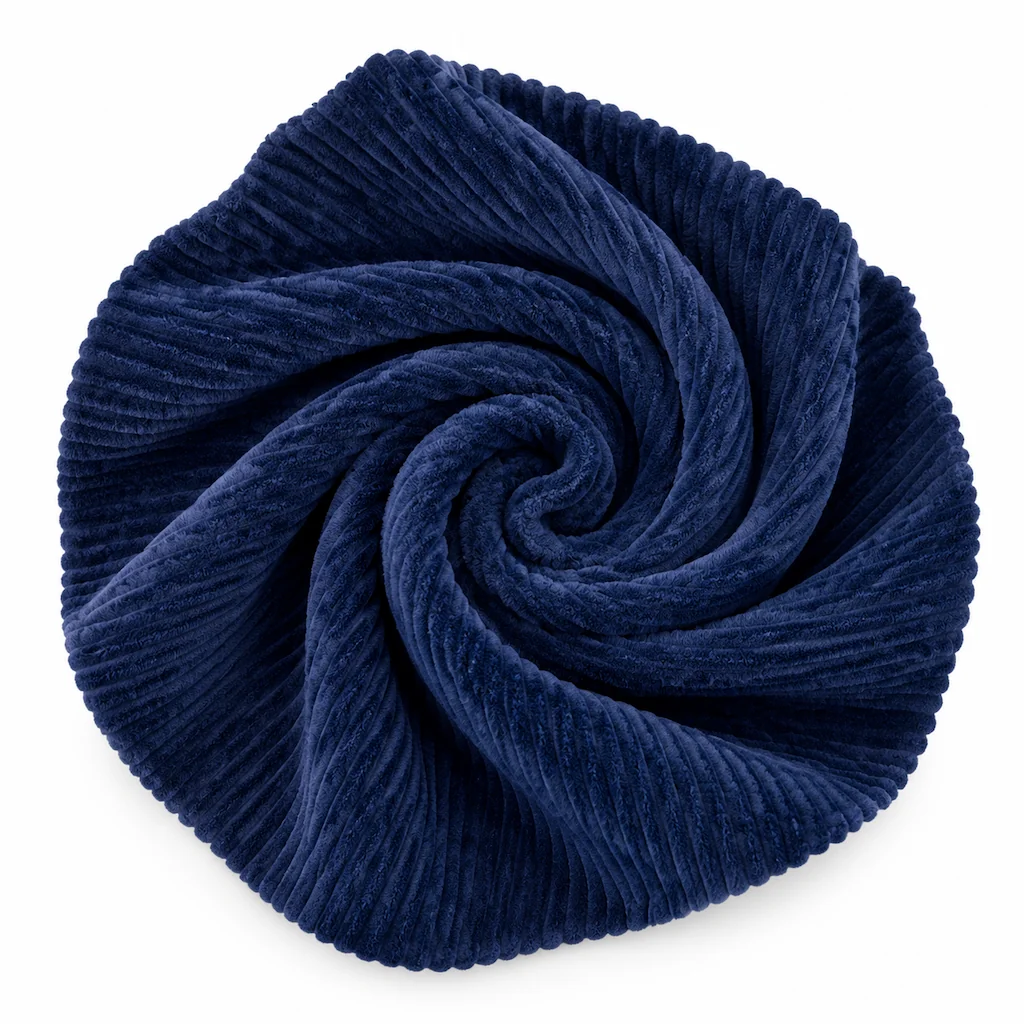
| Pile Length | Short pile reads detail cleanly; long pile feels softer and hides stitching but blurs fine shape. | Changes how much detail a small item can carry. |
| Surface Handfeel | Smooth, brushed or textured surfaces are selected against a physical reference. | A screen or photo cannot specify handfeel. |
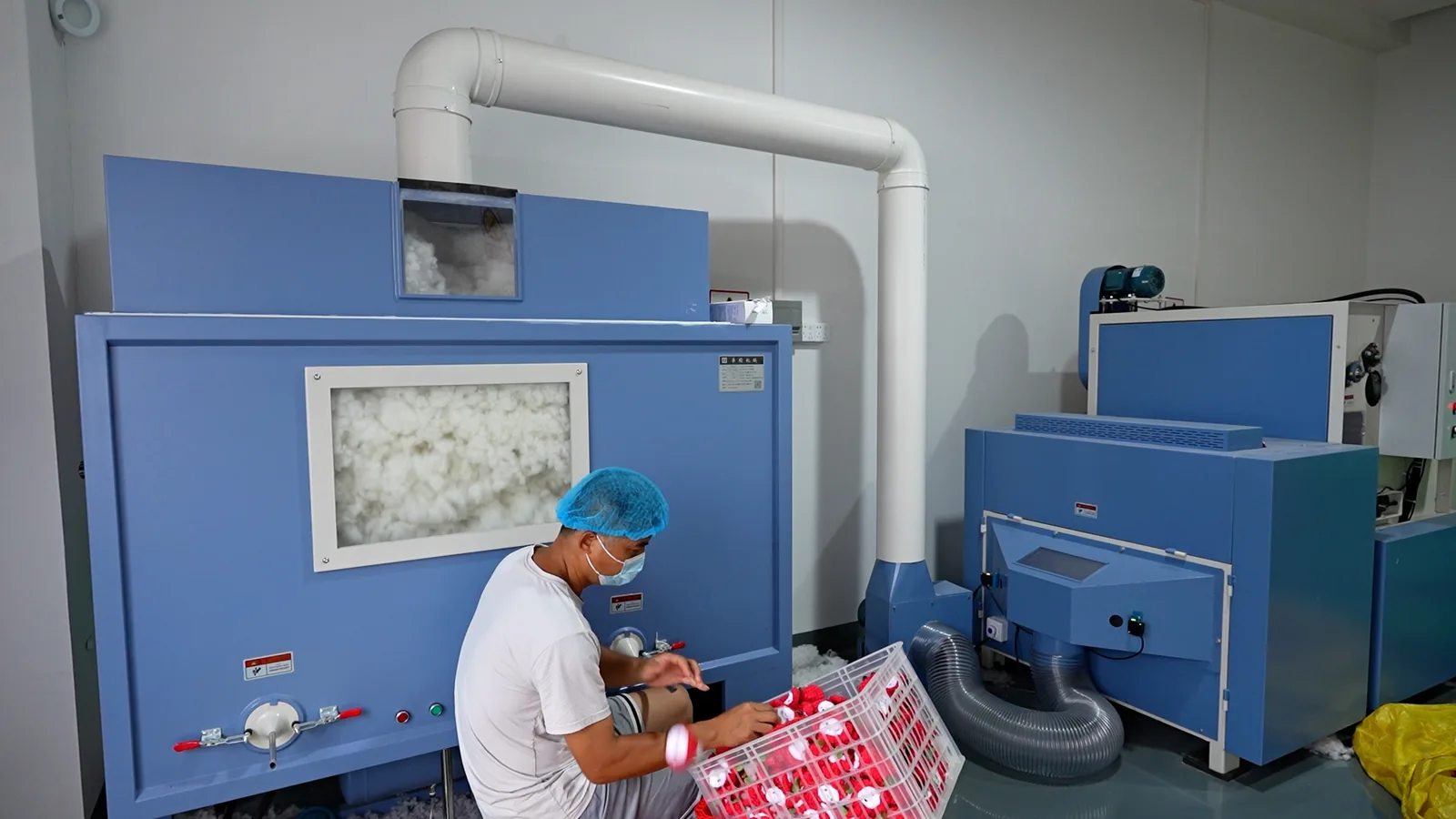
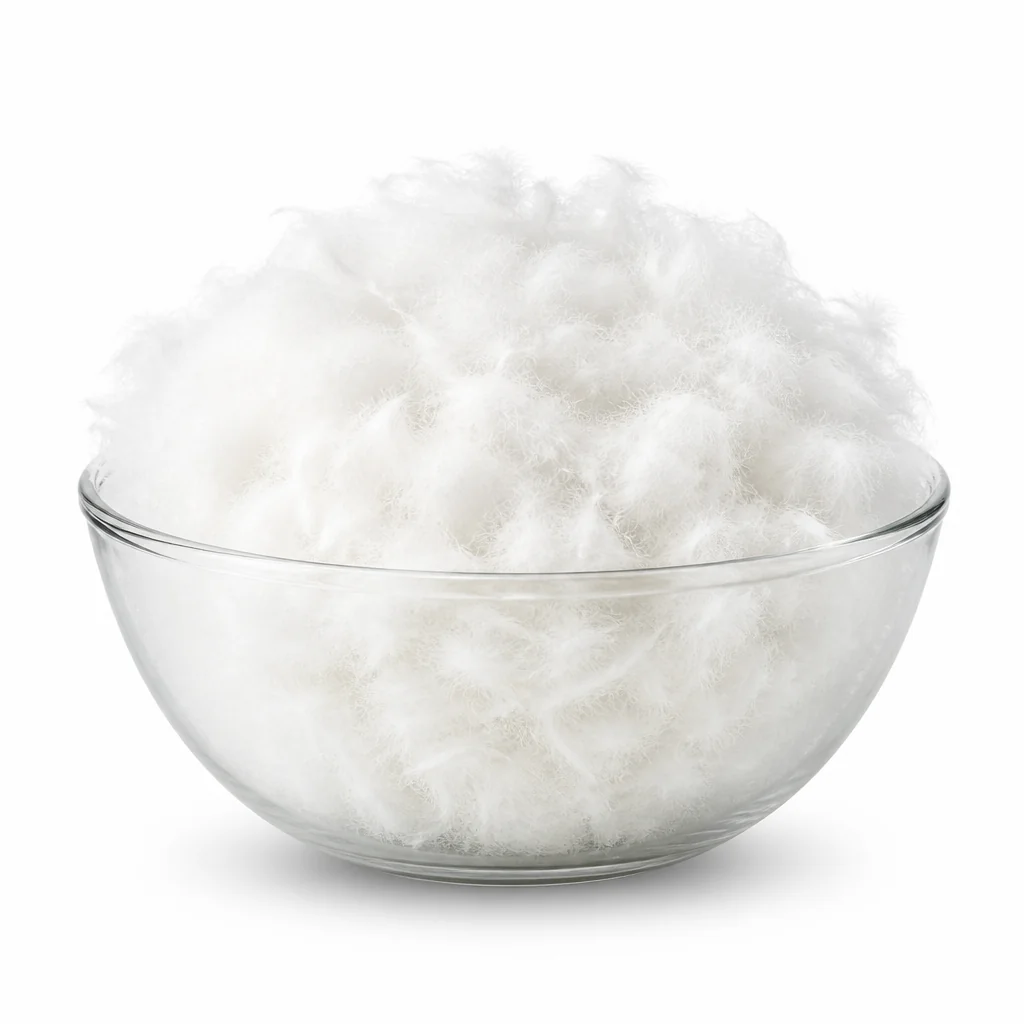
| Filling | Standard fibre filling for softness and recovery; firmer filling for shapes that must stand. | Determines whether the item sits, slumps or holds a pose. |
| Colour Standard | Colour is matched to an approved physical standard, not to a screen value. | Fabric, thread and print take colour differently; exact cross-material match is not promised. |
| Structure | Internal support, weighting or pose are decided at pattern stage. | Adding structure after sampling changes the pattern. |
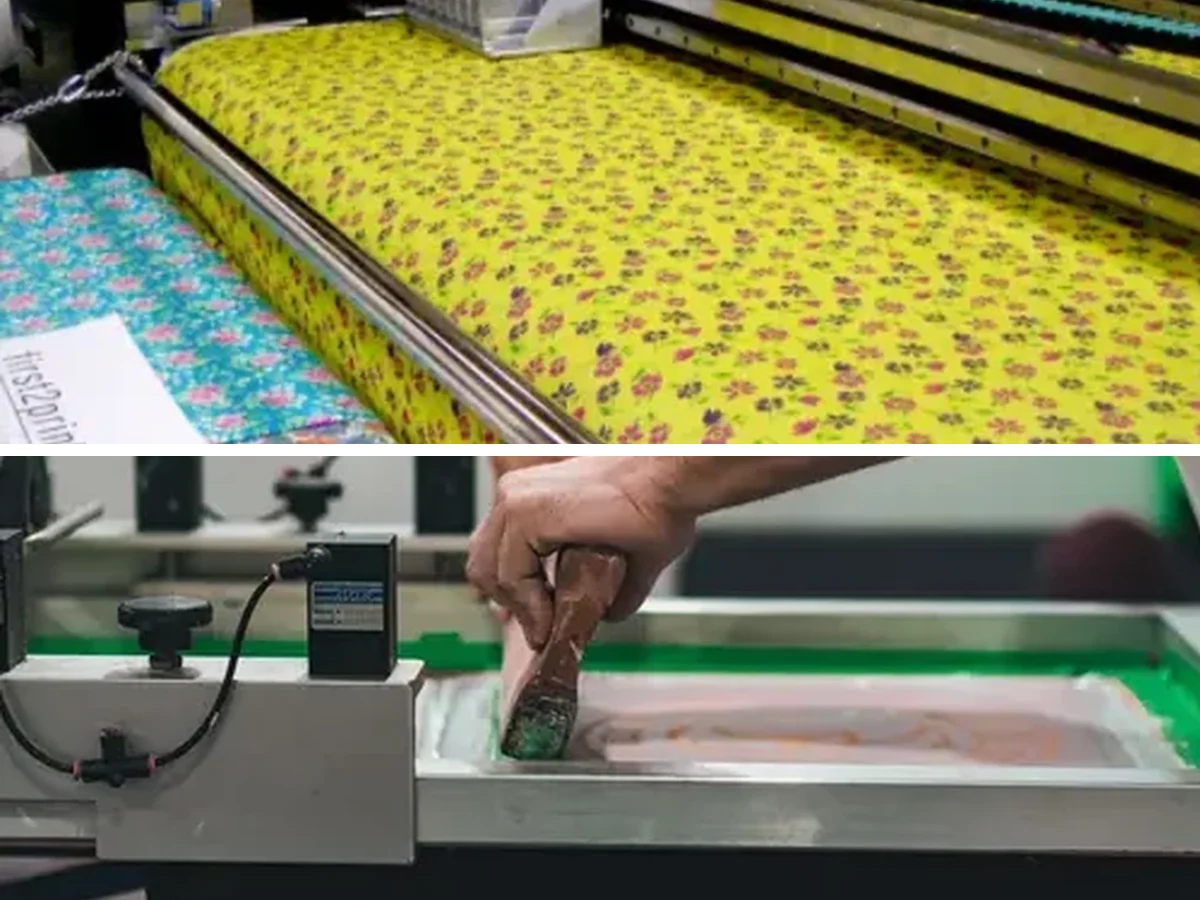
How Artwork Is Applied
The method follows the artwork, not the other way round.
Embroidery
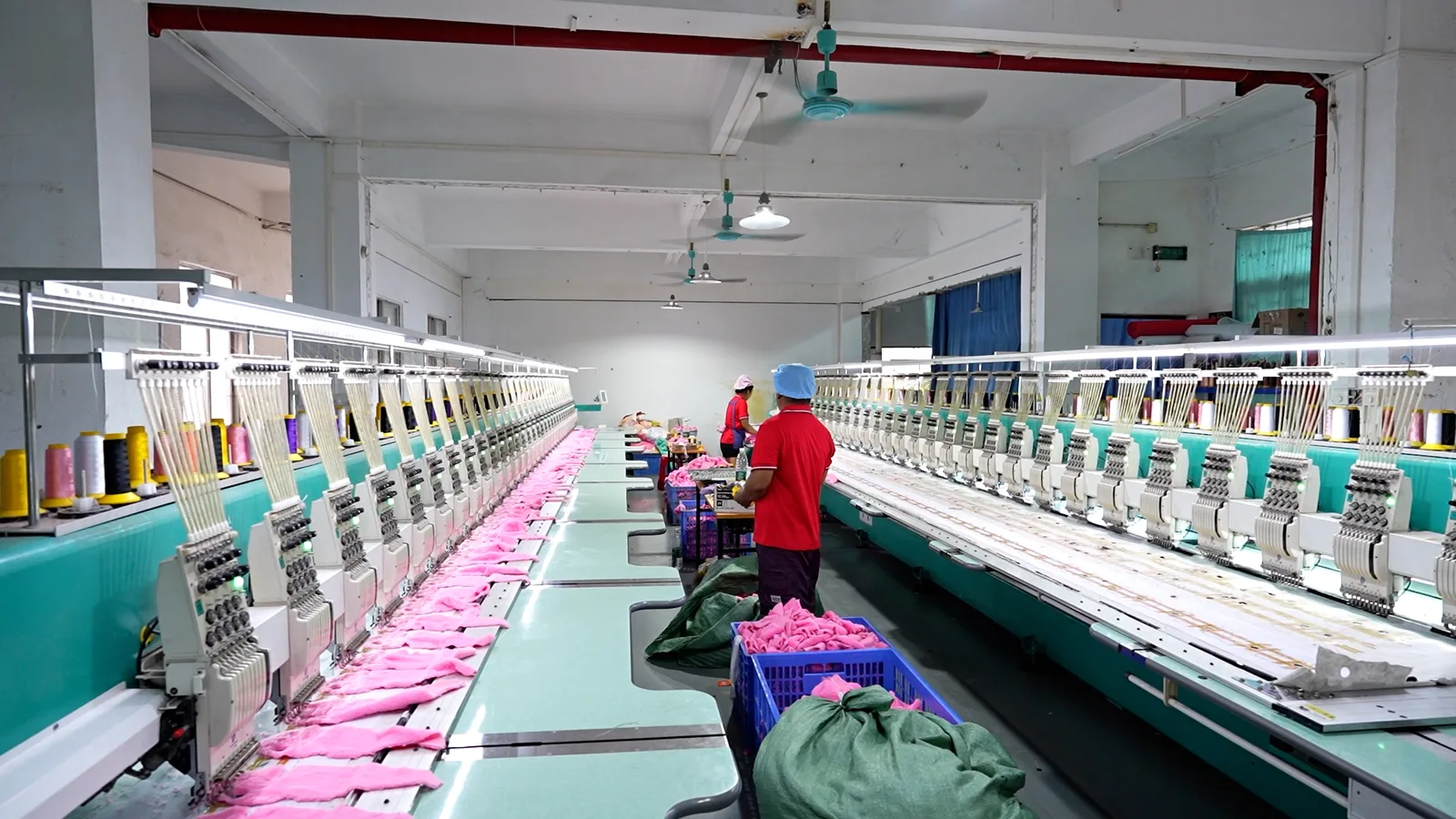
Good for solid shapes, outlines and moderate text. Very fine detail and gradients do not survive it.
Print
Good for gradients, fine lines and photographic colour. Surface and ink choice affect durability.
Applique And Patches
Adds dimension and distinct edges. Each added piece is a separate sewing step.
Attached Parts
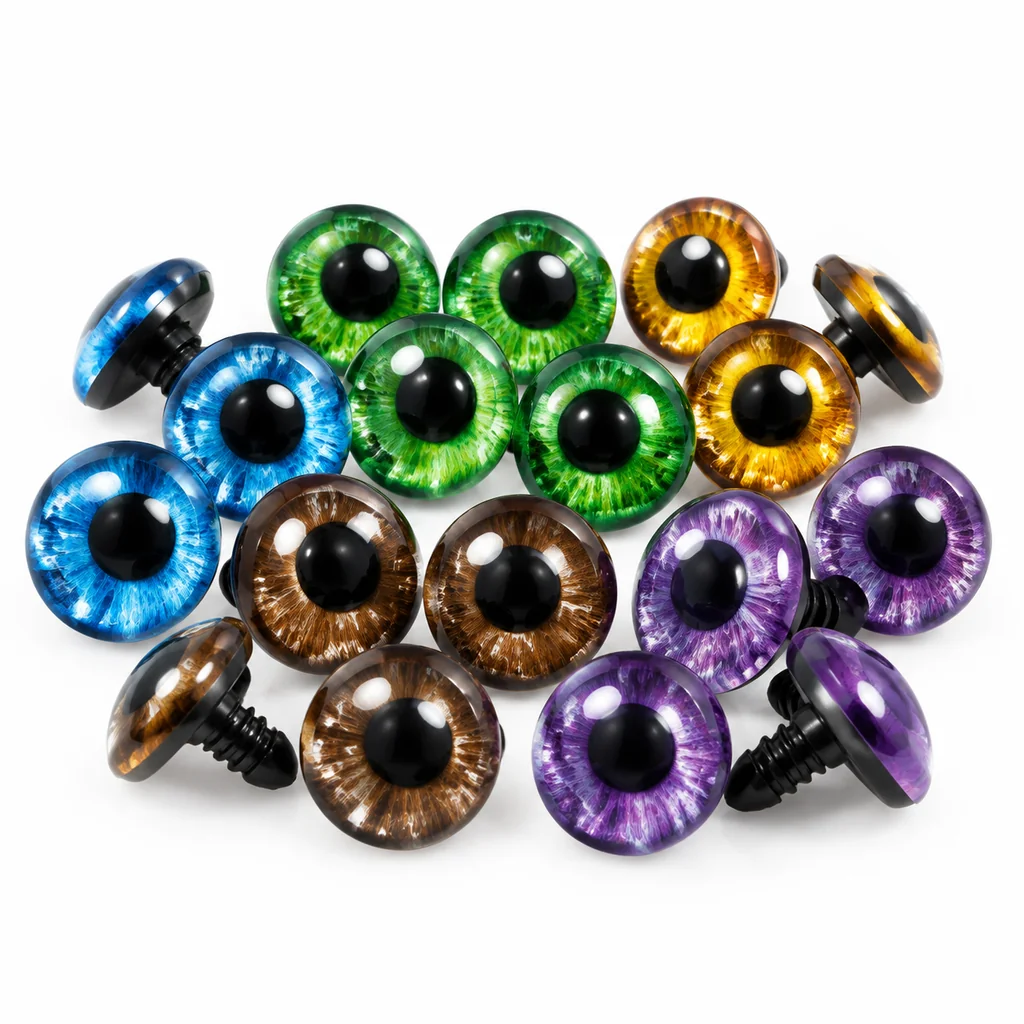
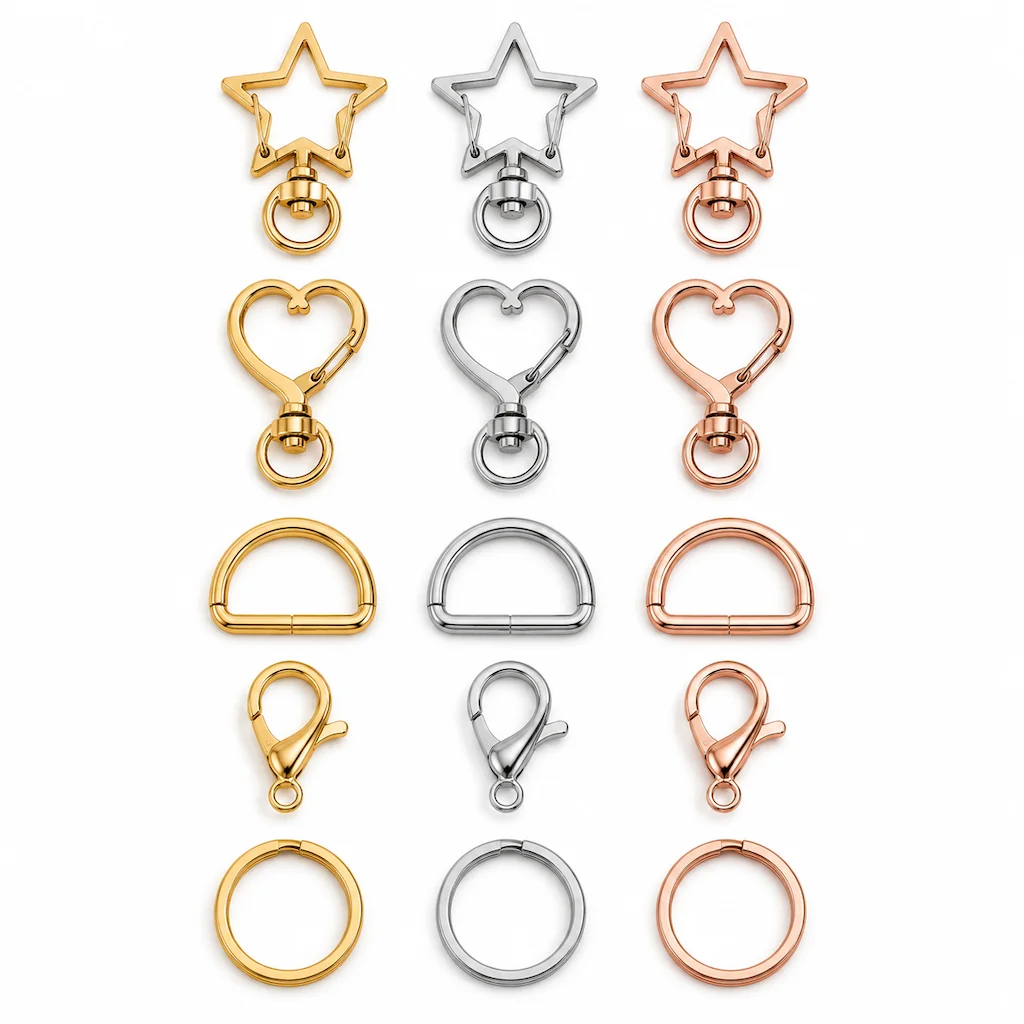
Tags, loops, clips and small accessories. Attachment method is a safety decision, not only a design one.
Packing Decisions
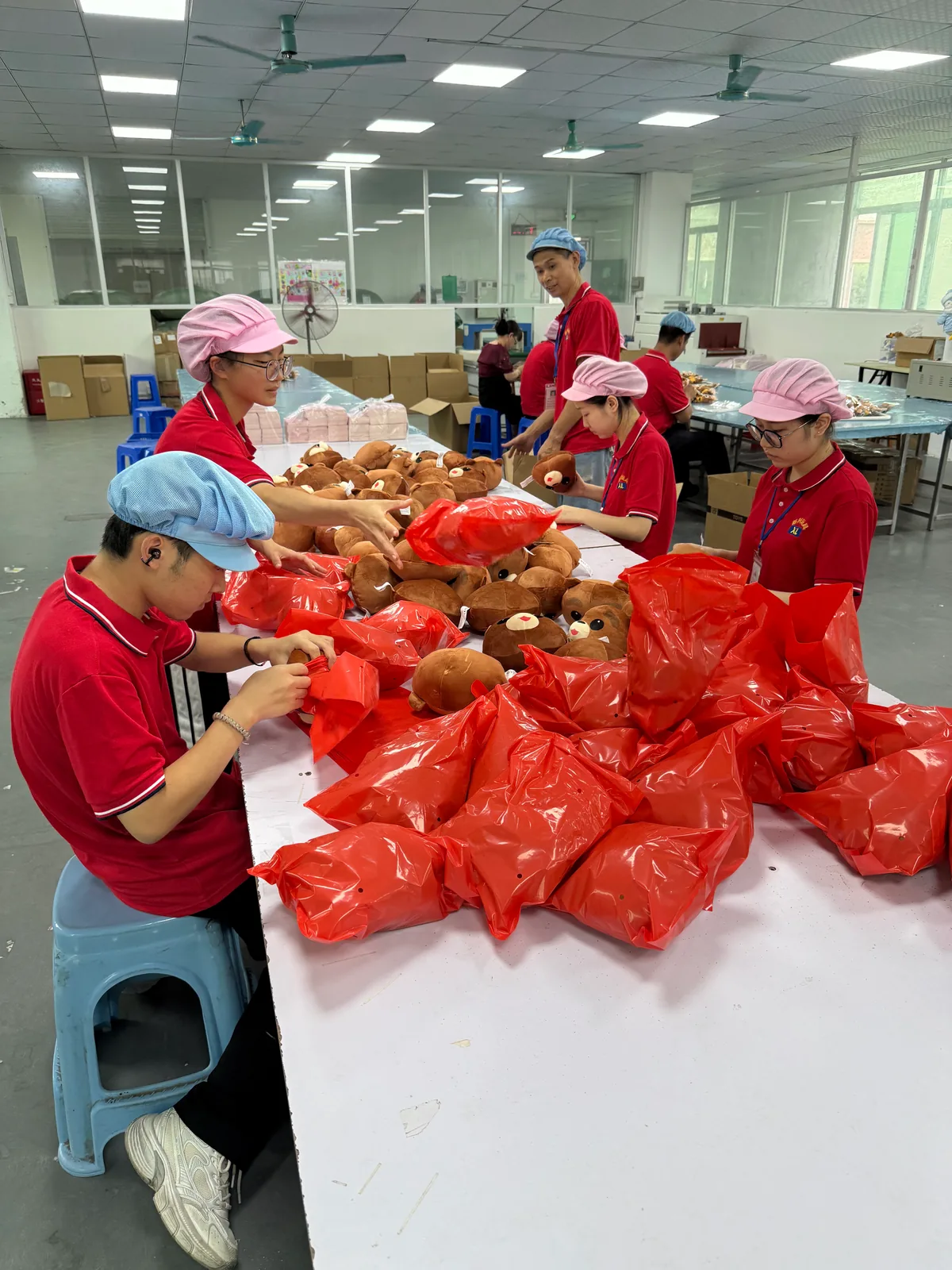
Packing is specified with the product, because it changes handling and inspection.
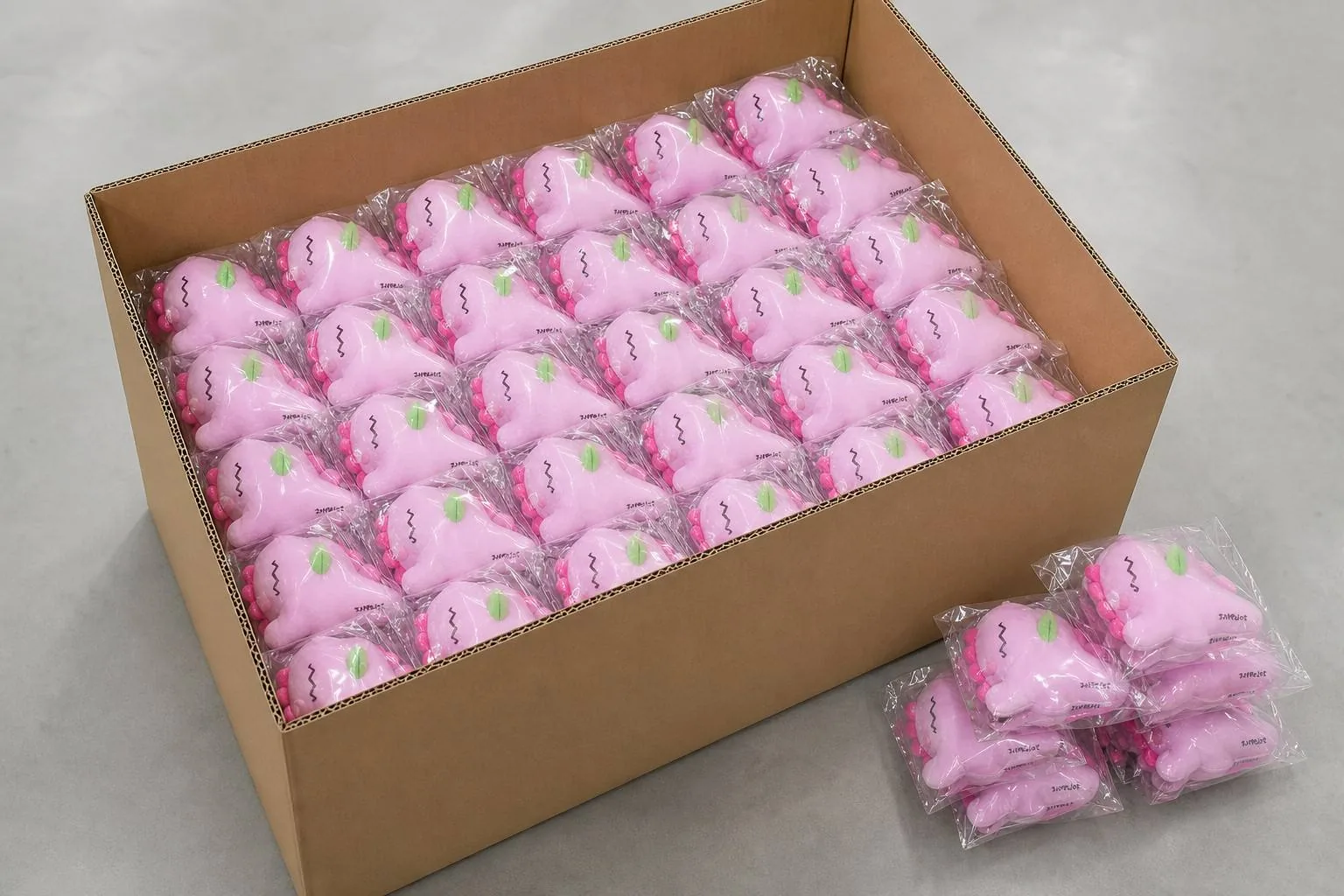
Individual Bag
Protects the item and carries the label. Bag specification is confirmed per order and market.
Vacuum Compression
Confirmed in-house equipment. Suitable for resilient filling, risky for long pile and rigid parts.
Labels And Barcodes
Care content, origin, age marking and barcode are supplied by you and checked before packing.
Cartons And Marks
Shipping carton, quantity per carton and carton marks are set in the packing specification.
What To Decide Before Sampling
Five decisions made early avoid resampling later.
- Reference for handfeelA physical sample or a named reference is more useful than an adjective.
- Colour referencesPantone numbers or a physical swatch, and which colours are critical to the brand.
- Decoration priorityWhich element must be perfect, and which can be simplified if the method forces a choice.
- Market and age groupDecides label content, warning text and which tests apply.
- Packing and channelWhether the item is sold individually, given away or shipped in bulk cartons.
Questions About Materials And Options
Four answers that prevent the most common mismatches.
Can You Match A Pantone Colour Exactly?
Colour is matched to an approved physical standard. Because fabric, thread and print substrates take colour differently, an exact cross-material match is not promised; the approved sample is the reference.
Can I Choose Any Fabric I Have Seen Elsewhere?
A reference can be evaluated, but the material has to be sourceable at the required quantity and colour. Availability and minimum are confirmed per project rather than assumed from a photograph.
Does Vacuum Packing Damage Plush?
It can. Long pile, rigid parts and complex poses may not recover fully. Compression is tested against the actual item before it is used for a production run.
Can Labels Be Applied In Our Own Format?
Label wording, barcode data and placement can follow your format. Content is your responsibility and is checked against the approved specification before packing.
Send The Reference, Not Only The Requirement
A physical reference or a named standard gives the team something to match; an adjective gives it a guess.