Sampling
From Drawing To Plush Sample
A drawing, a reference photo or a physical sample becomes a sewn plush through pattern making and revision. This page shows what the Orui Toys team needs, what the first sample proves and how approval is recorded.
Reviewed October 2026
Start With The Design Information
This page is for a buyer commissioning custom plush from a drawing, a picture or an existing sample, who wants to know whether the file can be developed and what happens between that file and an approved sample.
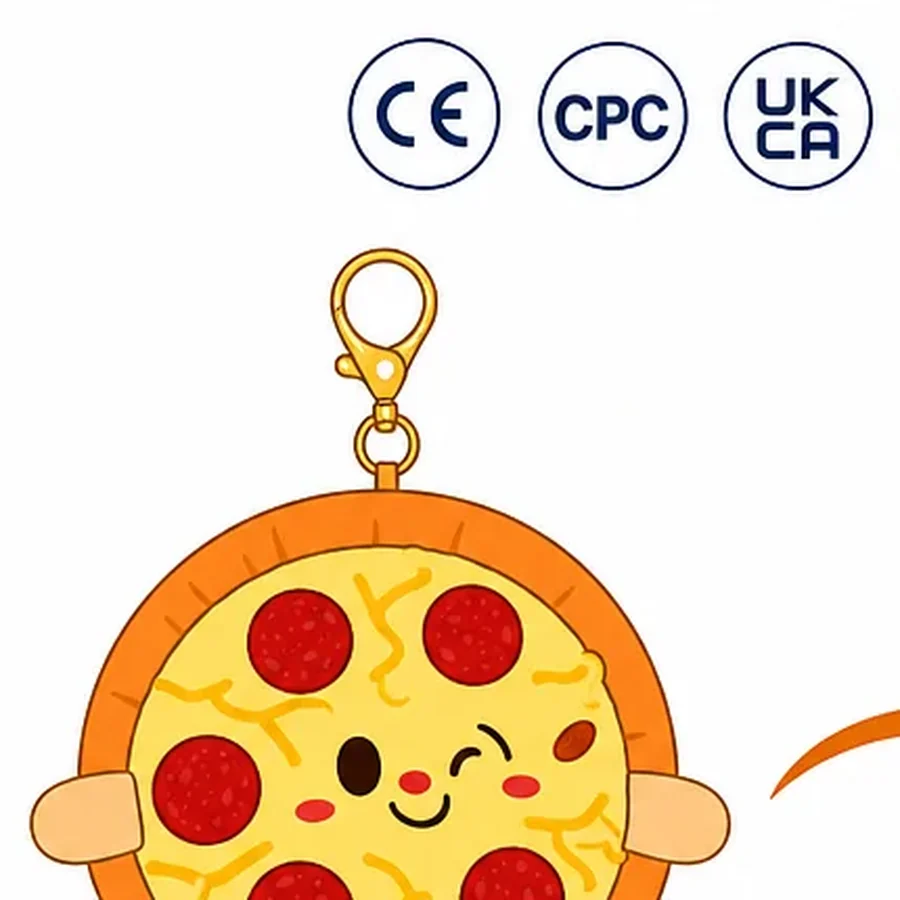
Developing custom plushies from drawings starts with a file made for a character, a brand or an event. Accepted starting points are a drawing, concept art, a two-dimensional front/side/back view, a reference photo, a physical sample or an existing pattern. A 3D file can be supplied as an appearance reference, but it does not replace pattern making: a sewn plush is built from flat panels, so the structure has to be engineered.
Two things sit outside this page. Copying a character, logo or product without authorisation is not accepted, and single-piece replication of a customer’s pet from photographs is not a service this page describes. Where artwork belongs to someone else, the rights position is confirmed before patterning starts.
The artwork checklist page covers the file preparation itself. This page covers what happens after the file arrives.
What The Pattern Maker Needs
A sample is only as good as the information behind it. These items decide how close the first attempt gets.
- ViewsFront, side and back at minimum, plus top or bottom where the shape depends on it. Close-ups of the face, paws, ears and tail help; a single front view can be assessed but will produce questions.
- Key dimensionsFinished height, width and depth, head-to-body proportion, and the size of limbs or accessories that must stay in scale. State whether the piece sits, stands or hangs.
- Colour standardPantone references or a physical colour standard. Screen colour is a guide only, because fabric and lighting shift the result.
- Material and fill intentPreferred pile length and feel, and whether the piece should be soft, firm or weighted in hand. These choices change both pattern allowance and cost.
- Quantity and marketPlanned quantity, country of sale and age group. The market decides which safety requirements and labels apply to the sample.
- Rights statementConfirmation that you own or license the character, logo and artwork, plus any brand guideline the sample must follow.
If a view or dimension is missing, say so rather than estimating it. The pattern maker will mark the assumption and ask for confirmation before cutting.
From Review To Approved Sample
Eight steps take a file from first review to a sample you have checked on arrival. Each step ends with an output you can check, so the next step does not reopen the last. If a sample needs more work, it returns to the relevant step and the change is recorded before it moves on.
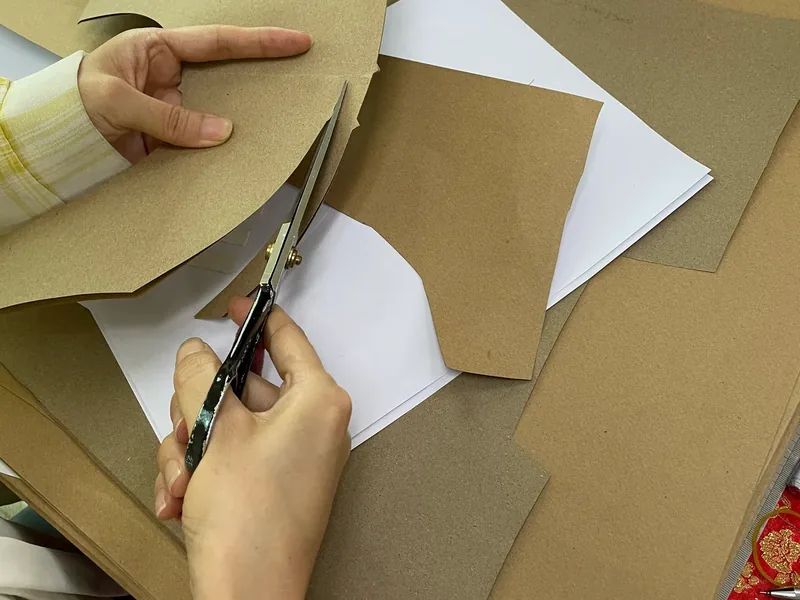
01
Sample Design
- What Happens
- The artwork or reference is read and turned into a buildable specification: views, finished size, seam layout, decoration method and materials.
- What You Provide Or Confirm
- Artwork, intended size and use, market and age group. Where a drawing cannot answer a construction question, the choice is put to you.
- Result And Next Step
- A design note for the project, listing its assumptions and any missing view. The quotation is priced against that note.
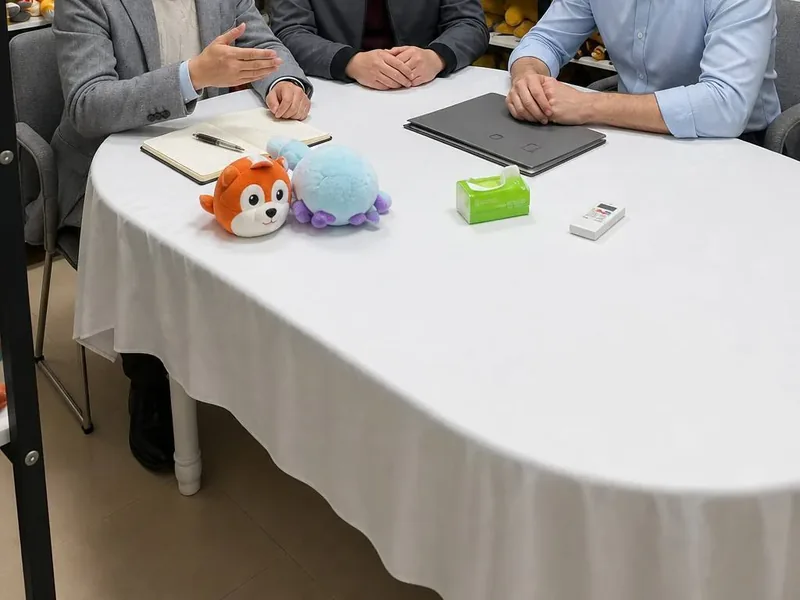
02
Sample Quotation
- What Happens
- The design note is priced: pattern and engineering time, fabric and components, embroidery or print set-up, sample shipping, and the revision rounds included.
- What You Provide Or Confirm
- Quantity intent, which starts at one piece, plus destination and any required date. You confirm which options are in scope before pricing is final.
- Result And Next Step
- A quotation for the project with inclusions, exclusions and validity. Sampling starts once it is accepted and the sample is scheduled.
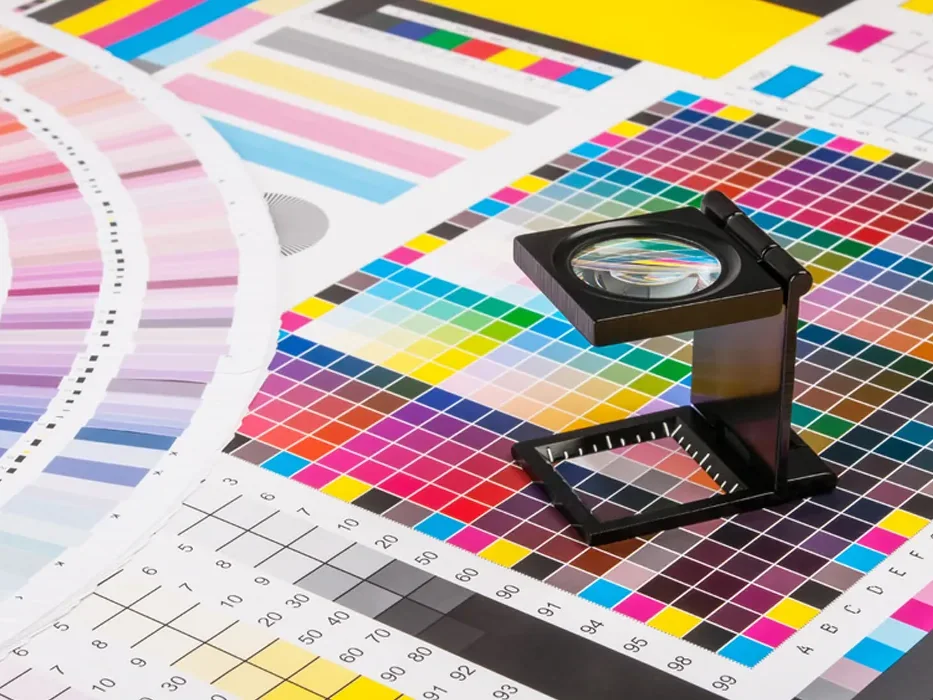
03
Choose Color (Fabric/Embroidery)
- What Happens
- Colour is matched on real material rather than on screen: pile and fabric swatches, thread charts and Pantone references, with embroidery or print placement decided.
- What You Provide Or Confirm
- A Pantone reference or physical colour standard, the preferred pile and finish, and thread colours where embroidery is used.
- Result And Next Step
- A colour and material record attached to the sample version, so later rounds are matched to the same standard.
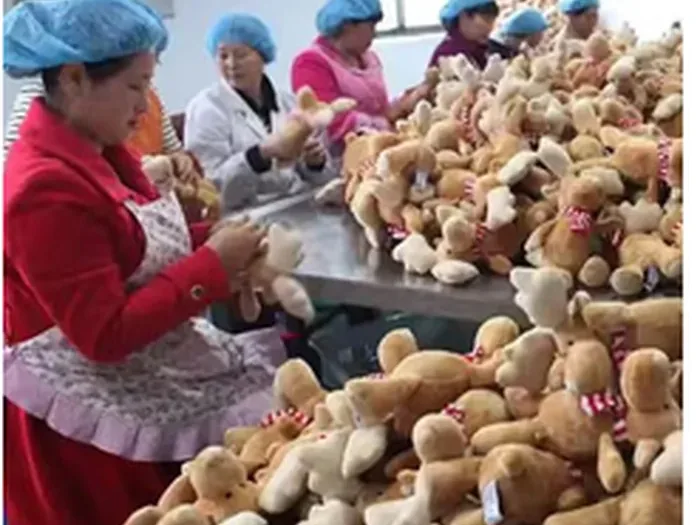
04
Sample Confirmation
- What Happens
- The current proposal, or an available sample reference, is reviewed point by point: shape, expression, materials, construction, decoration and packing.
- What You Provide Or Confirm
- Approval of the specification, or a list of what must change, plus confirmation of which details are now fixed.
- Result And Next Step
- A confirmed specification for the maker. This confirms a plan; it is not approval of a finished piece that has not been made.
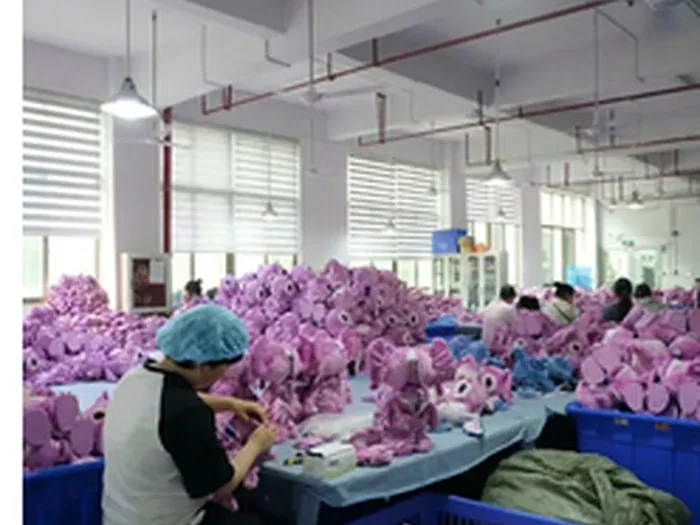
05
Sample Modification
- What Happens
- The confirmed feedback becomes a change set. Each item is checked against cost and schedule before work continues.
- What You Provide Or Confirm
- One consolidated comment list per round, with a priority where a change affects recognition, safety or cost.
- Result And Next Step
- An agreed change record. A change to material or structure starts a new sample version rather than a quiet edit.
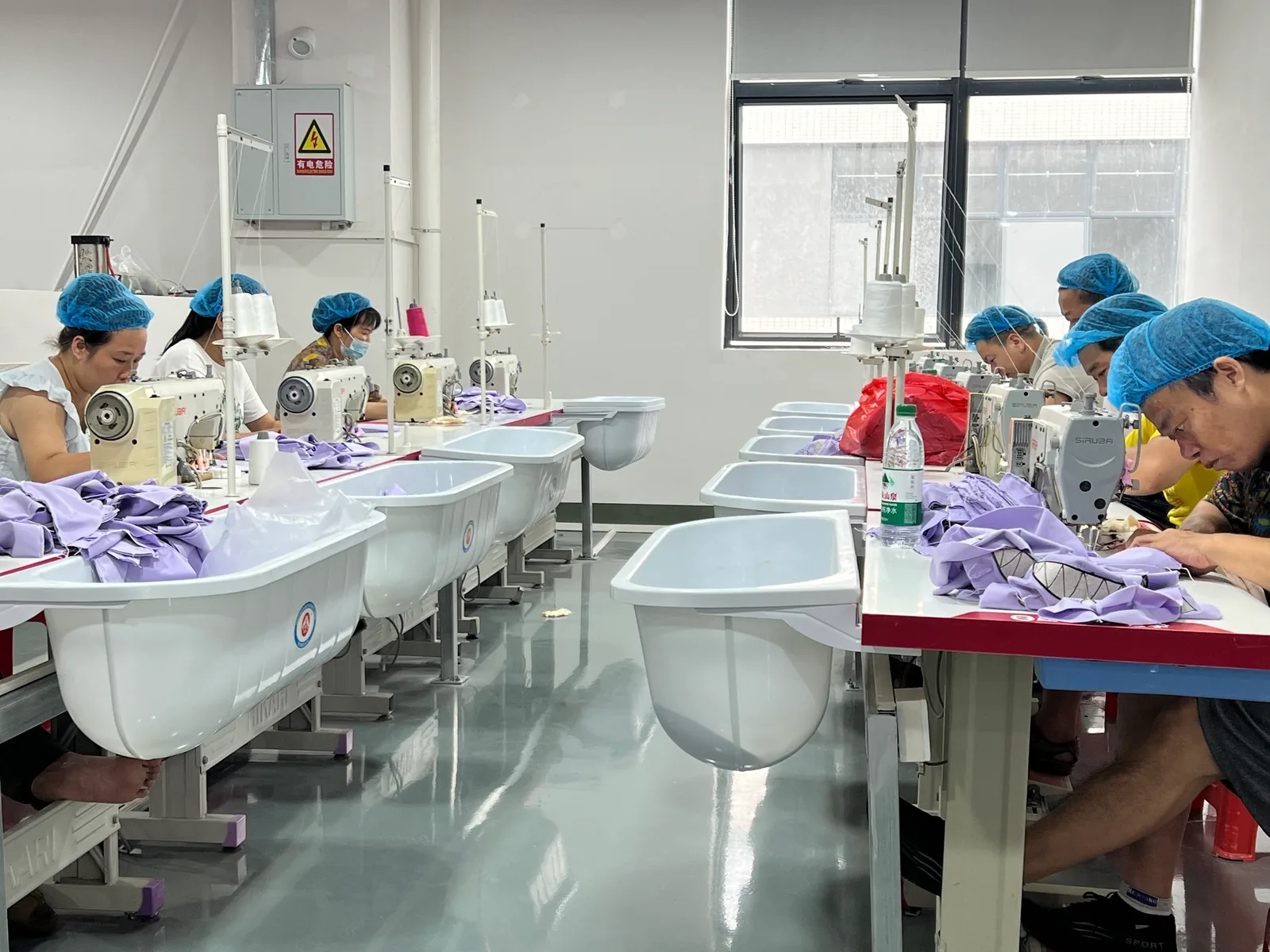
06
Sample Making
- What Happens
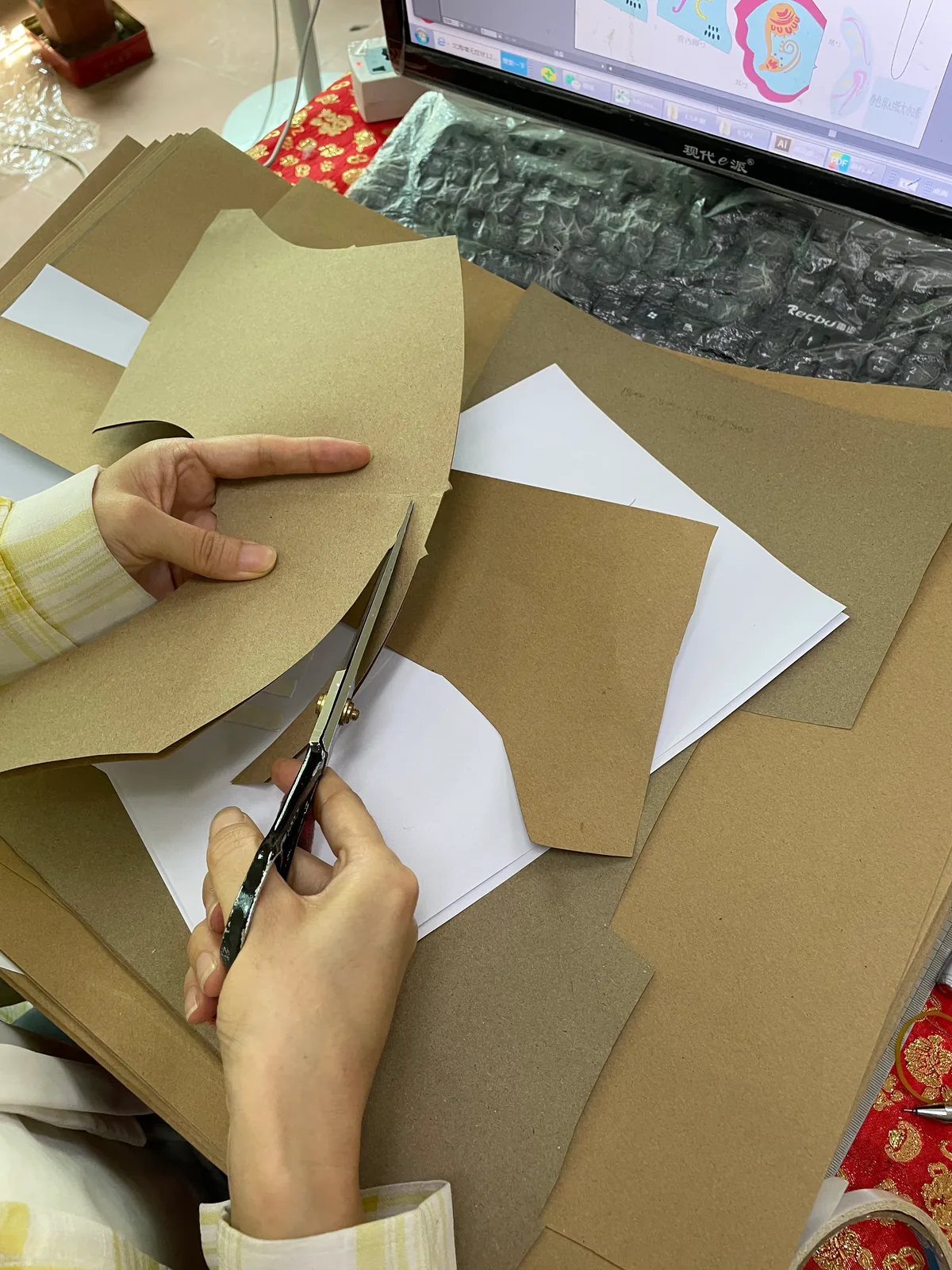
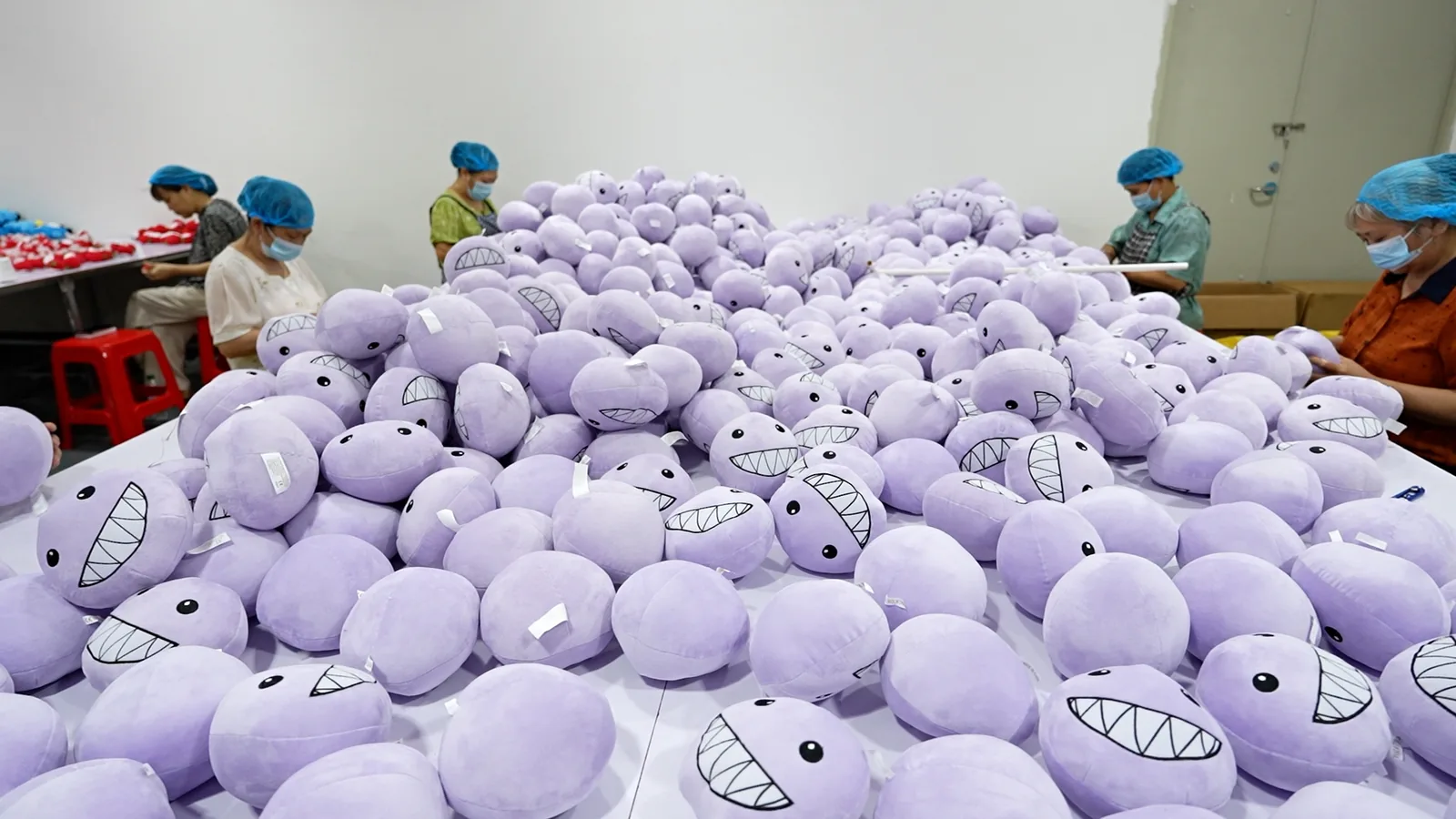
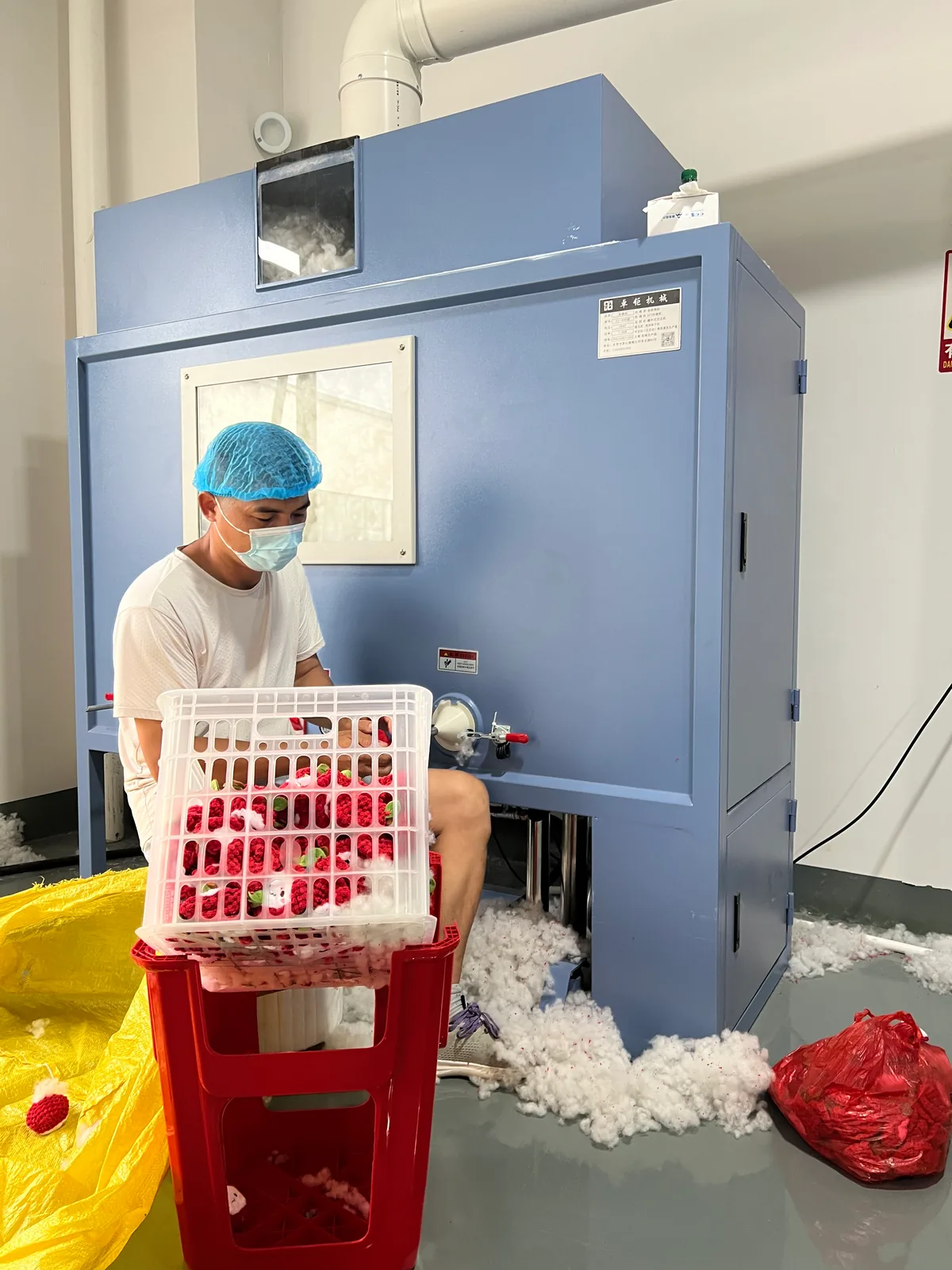
- Pattern, cut, embroidery or print, sew, fill and finish. The piece is built or updated to the version that was discussed.
- What You Provide Or Confirm
- Nothing new unless a question comes up. Before dispatch you confirm the version and the delivery details.
- Result And Next Step
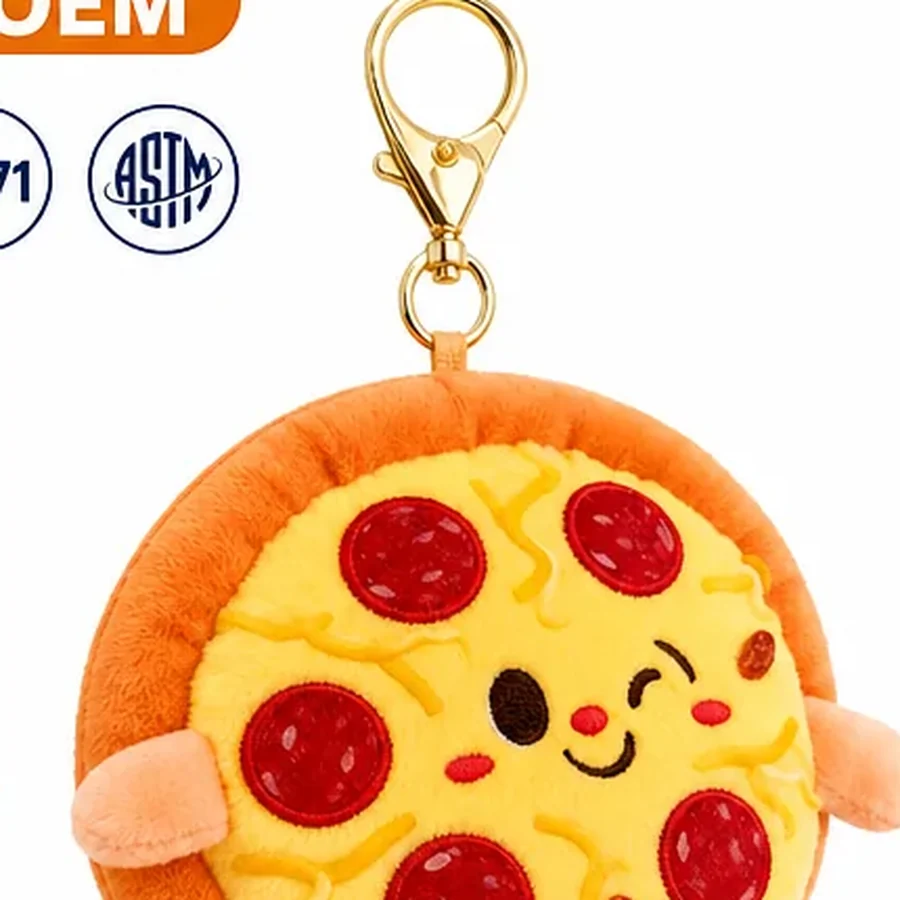
- A physical sample, photographed against its record and identified by version. This is the custom prototype plush you can hold, photograph and test before production.
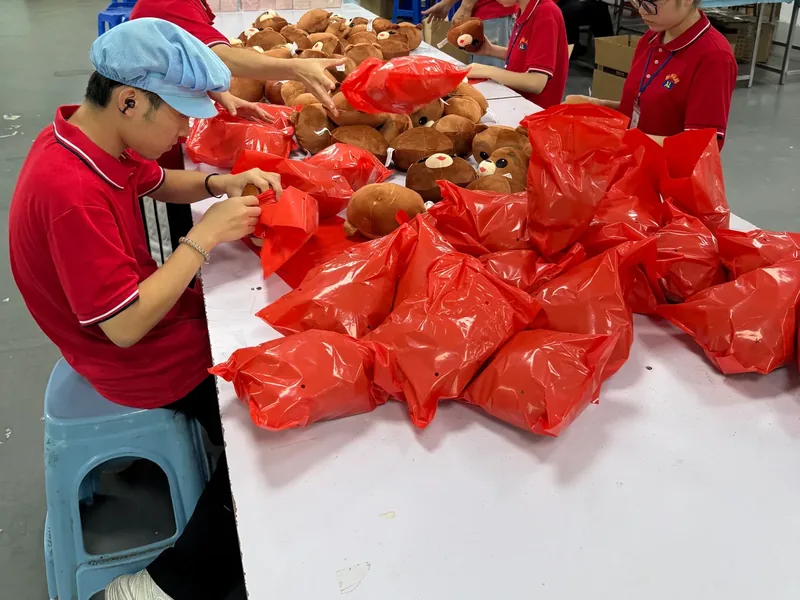
07
Sample Shipment (FedEx/DHL)
- What Happens
- The sample is packed and shipped on the arrangement confirmed for the project. Carrier, destination, freight and any import charges are stated in the quotation or agreed in writing.
- What You Provide Or Confirm
- Delivery address and contact, a preferred carrier if you have one, and who pays freight and import charges.
- Result And Next Step
- Tracking details for the consignment. Transit time follows the service booked; no fixed number of days is promised.
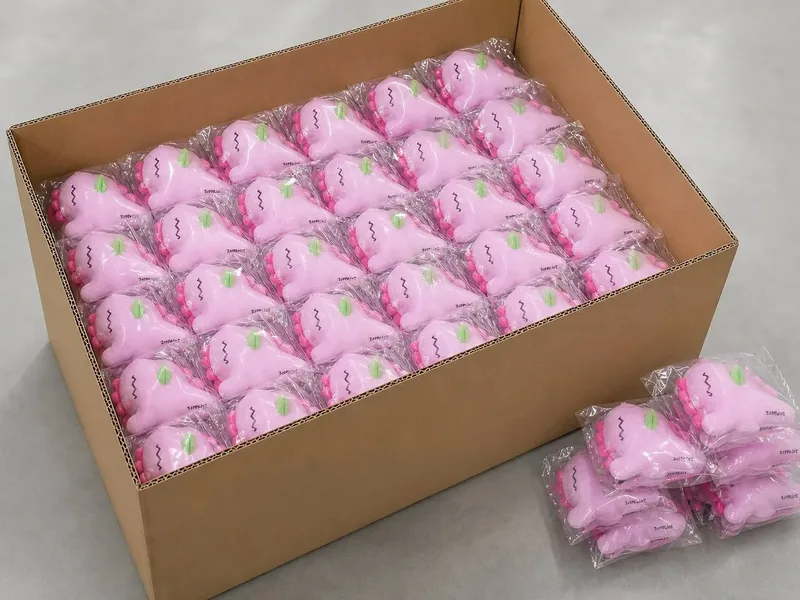
08
Confirm Receipt
- What Happens
- You confirm the parcel arrived, then check the piece against the confirmed specification. Photographs support that review but cannot convey hand feel.
- What You Provide Or Confirm
- Receipt confirmation, a written list of any differences, and a decision on whether the sample is approved.
- Result And Next Step
- Approval agreed against the sample version, or a new modification round. Receipt alone does not start production.
What Sample Approval Records
Approval is not a single ‘looks good’. These are the points that are checked and written down, because production will be measured against them.
| Decision Point | What To Confirm | Why It Matters |
|---|---|---|
| Shape And Proportion | Overall silhouette, head-to-body ratio, limb length and posture compared with the artwork. | A proportion change after approval invalidates the pattern and usually requires a new sample. |
| Face And Expression | Eye and nose position, mouth shape, embroidery or print placement and symmetry. | Expression is the detail buyers notice first and the hardest to correct in bulk. |
| Hand Feel | Fabric pile, filling amount and firmness, and how the piece recovers after compression. | Fill and fabric changes alter both feel and packing method. |
| Construction And Workmanship | Seam placement, stitch density, closing method, attachment of small parts and accessories. | These points carry the safety and durability risk for the finished item. |
| Dimensions And Weight | Measured height, width, depth and finished weight against the agreed specification. | Shipping cost and retail specification both depend on the measured result. |
| Labels And Packing | Care and age labelling, hangtag position, bag or box format and carton mark. | Market compliance and retail presentation are decided here, not at dispatch. |
Design Files, Display Permission And Approval
Artwork and reference files are shared for quoting, sampling and production of your project. If you need an NDA, a defined access scope, or a limit on showing the design, raise it before sending the files; whether we can accept those terms is confirmed in writing before sensitive material is exchanged.
Each revision round returns a sample with a change list. Approval means you accept that sample, and the approved version becomes the reference for production; later changes start a new round rather than being absorbed into the running order.
Cost And Scheduling Questions
Sampling cost and sampling time are both quoted per project, because both depend on the same variables.
A sample fee reflects pattern and engineering time, fabric and any special components, embroidery or print set-up, the labour to build the piece, and shipping. Where a design needs several rounds, the number of rounds included in the quotation is stated so extra rounds are not a surprise.
Sampling time starts when the design information, dimensions, colours and functional requirements are confirmed and the sample payment is received. Complex structures, custom fabric or parts and electronic features are scheduled separately.
The cost guide page explains how these factors combine into a quotation and why no single price list can cover every product. It also covers how quantity affects the unit price once the sample is approved.
Custom-made from 1 piece. No ready-to-ship stock. Sampling or production is required before dispatch.
Questions Before You Begin
The sampling questions that come up most often.
Can You Work From A Single Front View?
It can be assessed, but not patterned cleanly. The pattern maker will need to agree the side and back construction, depth and limb placement before cutting, so a single view usually adds a clarification round.
How Many Revision Rounds Are Included?
The number of revision rounds included is stated in the quotation for your project, because it depends on how much structure the design needs. Comments are consolidated into one list per round; further rounds, or changes to size, material or function, are re-assessed for cost and timing.
Do I Own The Pattern?
For a customer’s original or licensed design, the customer keeps the character, logo and original artwork rights, while Orui uses the pattern and bill of materials only to fulfil the order under confidentiality. Different arrangements apply to jointly developed or bought-out designs and are set in the contract.
What Happens If The Sample Is Close But Not Right?
The differences are listed against the sample version, ranked by whether they affect recognition, safety or cost, and the next round is built from that list. Anything that changes material or structure is treated as a new version rather than a tweak.
Discuss Your Project
Send the artwork, the intended size and the market. The answer will tell you what is workable and what needs to be decided before a sample is built.